Indonesia Plug

Planning a trip to Indonesia? 🌴 Whether you're heading to Bali's beaches, Jakarta's skyscrapers, or Yogyakarta’s temples, it’s essential to know what kind of plug and voltage setup to expect. Here's your ultimate guide to staying powered up while exploring Indonesia.
⚡ What Plug Type Is Used in Indonesia?
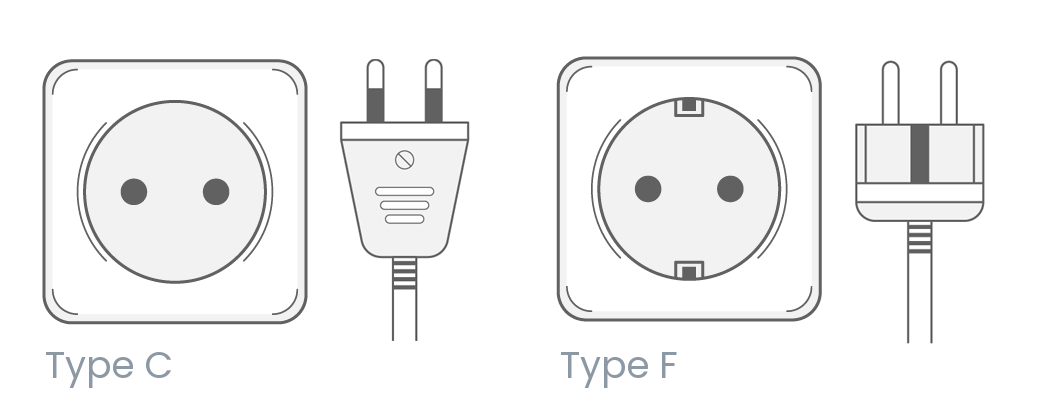
(Source: world-power-plugs.com)
Indonesia uses Plug Types C and F:
- Type C: The standard Europlug, with two round pins.
- Type F: Also known as the Schuko plug, it has two round pins with two grounding clips on the side.
Both plug types are compatible with most European plugs. 🛬 Travelers from the UK, US, Australia, and other regions will need adapters.
🔋 What Is the Voltage in Indonesia?
- Voltage: 230 V
- Frequency: 50 Hz
This voltage is standard in many countries, including most of Europe and parts of Asia. But if you're coming from countries like the USA (120V) or Japan (100V), you'll need to check your device compatibility.


🔌 Do You Need a Plug Adapter in Indonesia?
You will need an adapter if you're traveling from countries using:
Country | Plug Type(s) Used | Adapter Needed? |
USA/Canada | A, B | ✅ Yes |
UK | G | ✅ Yes |
Australia | I | ✅ Yes |
Japan | A, B | ✅ Yes |
Europe | C, E, F | ❌ No (usually) |
🔧 Do You Need a Voltage Converter?
Most modern devices like phone chargers, laptops, and cameras are dual voltage (100–240V). But check your device label first!
Bring a voltage converter if you're using:
- Older hair dryers or straighteners
- Electric shavers
- Appliances without a 230V rating
If your device only supports 110–120V, using it in Indonesia without a converter could damage it. 🔥
🎒 Recommended Travel Plug Adapters
Look for a universal travel adapter that supports:
- Plug Types C and F
- Dual USB charging ports
- Surge protection for tropical storms
🛍️ You can easily buy these online or at airports, but it’s cheaper to get one before your trip.
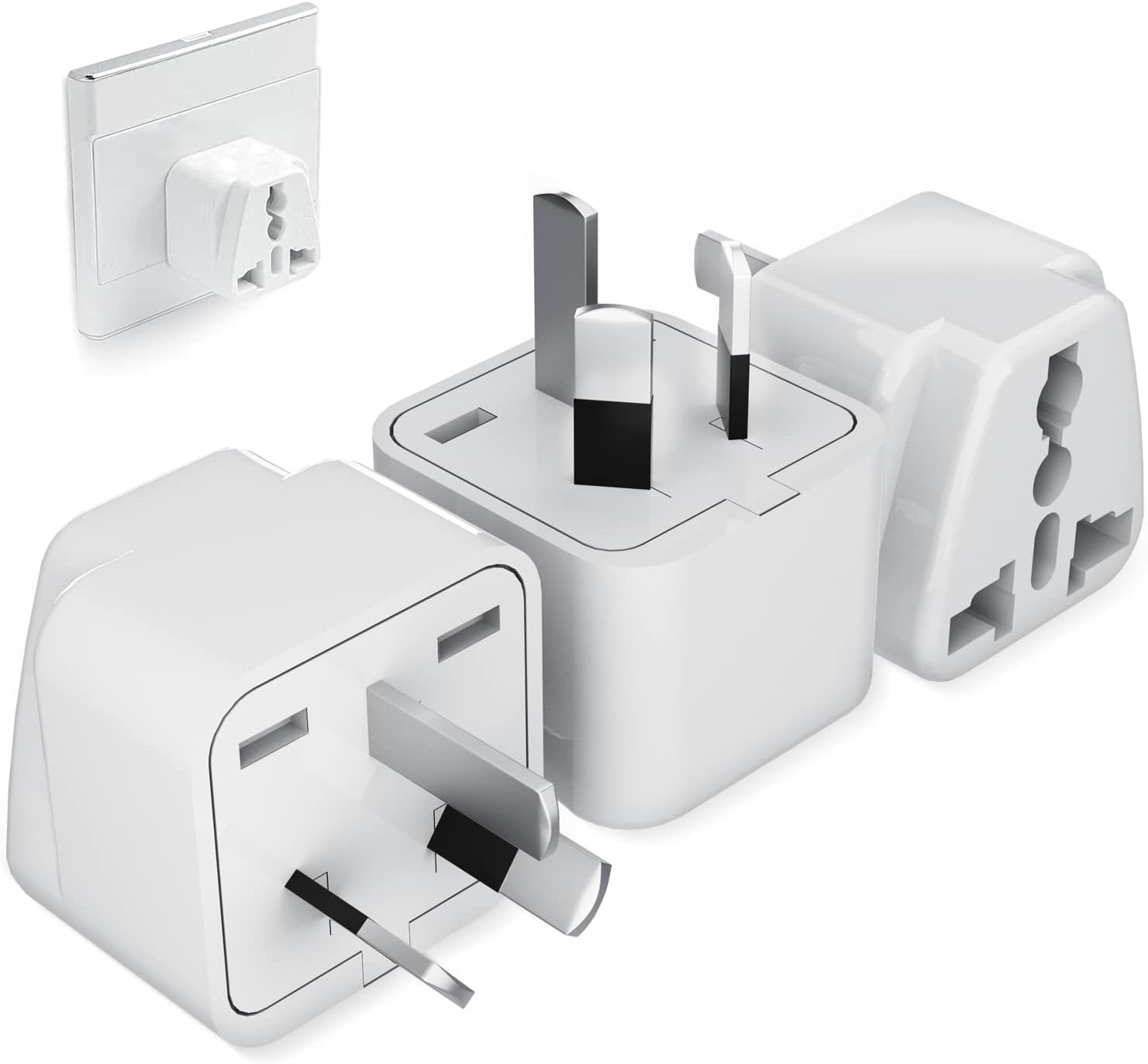
(Source: Amazon.com)
🧳 Pro Packing Tip
To stay fully charged in Indonesia:
- Pack at least one universal plug adapter
- Bring a power strip with multiple USB ports
- Carry a portable power bank for remote adventures
🌐 Where Will You Use These Plugs in Indonesia?
Destination | Plug Type(s) | Voltage | Notes |
Bali | C, F | 230V | Most accommodations have plenty of outlets |
Jakarta | C, F | 230V | Urban areas may also offer USB sockets |
Lombok | C, F | 230V | Bring a surge-protected adapter |
Sumatra | C, F | 230V | Expect basic setups in rural zones |
Yogyakarta | C, F | 230V | Guesthouses might only have 1–2 outlets |
✅ Quick Checklist
✔️ Plug Type C/F adapter
✔️ Dual-voltage devices or converter
✔️ Power bank
✔️ Multi-port USB charger
✔️ Travel power strip (optional but handy!)
With this plug and voltage guide, you’re all set to keep your devices juiced while exploring the wonders of Indonesia! 🇮🇩✨
🌏 Asia & Oceania Electrical Standards: Plug Types, Voltages & Frequencies
Country/Region | Plug Type(s) | Voltage | Frequency | Adapter Needed? (From US/UK) |
Australia | I | 230 V | 50 Hz | ✅ Yes |
New Zealand | I | 230 V | 50 Hz | ✅ Yes |
Fiji | I | 240 V | 50 Hz | ✅ Yes |
Papua New Guinea | I | 240 V | 50 Hz | ✅ Yes |
Asia – Electrical Standards by Country
Country | Plug Type(s) | Voltage | Frequency | Adapter Needed? (From US/UK) |
China | A, C, I | 220 V | 50 Hz | ✅ Yes |
Hong Kong | G | 220 V | 50 Hz | ✅ Yes (US), ❌ No (UK) |
Japan | A, B | 100 V | 50/60 Hz* | ✅ Yes |
South Korea | C, F | 220 V | 60 Hz | ✅ Yes |
Taiwan | A, B | 110 V | 60 Hz | ✅ Yes |
Thailand | A, B, C | 220 V | 50 Hz | ✅ Yes |
Vietnam | A, C | 220 V | 50 Hz | ✅ Yes |
Malaysia | G | 240 V | 50 Hz | ✅ Yes |
Singapore | G | 230 V | 50 Hz | ✅ Yes |
Indonesia | C, F | 230 V | 50 Hz | ✅ Yes |
Philippines | A, B, C | 220 V | 60 Hz | ✅ Yes |
India | C, D, M | 230 V | 50 Hz | ✅ Yes |
Sri Lanka | D, M, G | 230 V | 50 Hz | ✅ Yes |
Nepal | C, D, M | 230 V | 50 Hz | ✅ Yes |
Pakistan | C, D | 230 V | 50 Hz | ✅ Yes |
Bangladesh | C, D, G, K | 220 V | 50 Hz | ✅ Yes |
Cambodia | A, C, G | 230 V | 50 Hz | ✅ Yes |
Laos | A, B, C, E, F | 230 V | 50 Hz | ✅ Yes |
Myanmar (Burma) | C, D, F, G | 230 V | 50 Hz | ✅ Yes |
Brunei | G | 240 V | 50 Hz | ✅ Yes |
🔎 *Japan uses 50 Hz in the east (e.g., Tokyo) and 60 Hz in the west (e.g., Osaka). Double-check your devices if frequency matters.
🔌 FAQ: Electrical Plugs in Indonesia
-
🔌 What type of plug is used in Indonesia?
-
⚡ What is the voltage and frequency in Indonesia?
-
🧳 Do I need a power adapter?
-
🔋 Do I also need a voltage converter (transformer)?
-
🛍️ Where can I buy a power adapter in Indonesia?
-
🏨 Do hotels in Indonesia provide adapters?
-
🔒 Are Indonesian sockets safe for expensive electronics?