Recommended eSIM Options for Traveling to China!
3 day - 3GB/day
- Data3GB/day
- Validity3 day
- Pricefrom Rp 64.556
5 day - 20GB
- Data20GB
- Validity5 day
- Pricefrom Rp 136.035
7 day - 20GB
- Data20GB
- Validity7 day
- Pricefrom Rp 147.439



Oleh Jessica
21 Mei 2025
Traveling to China offers a unique blend of ancient traditions and modern innovations. As you prepare for your journey, understanding the "China plug" system is crucial for ensuring your electronic devices remain powered throughout your stay.
This guide will provide you with essential information on the types of plugs used in China, voltage and frequency standards, and practical advice on adapters and converters.
Whether you're traveling from Indonesia or elsewhere, this article aims to equip you with the knowledge needed to navigate China's electrical landscape with ease.
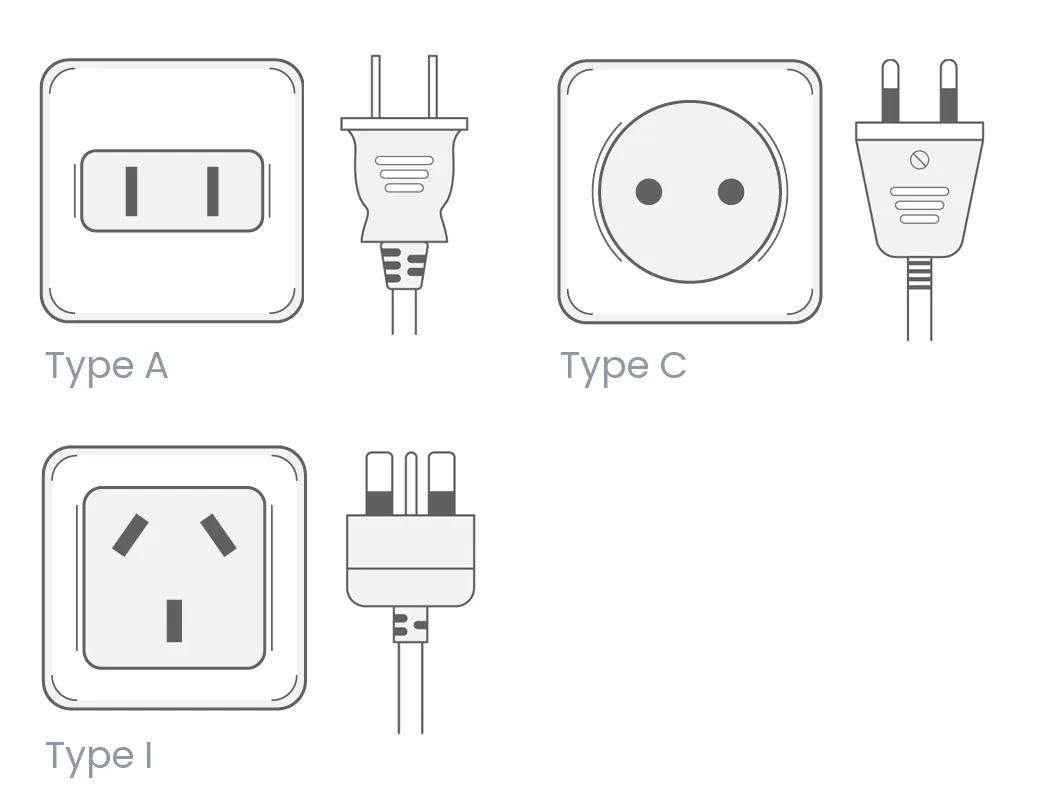
Source: world-power-plugs.com
In China, you'll find a mix of plug types, each with its own characteristics. This guide provides a clear overview of the most common electrical outlet types in China, helping you to identify and adapt to them with ease. Below is a table that outlines the 3 key plug types you may encounter during your visit.
Outlet Type | Plug Type | Description | Image Description |
Type A | Flat Blade | Two flat parallel pins. Common in North America, but also used in China for some devices. Not grounded. | Resembles a smiley face with two eyes (pins). |
Type I | Angled Blades | Three flat pins in a triangular pattern. The most common plug type in China. Grounded for safety. | Looks like a triangle with three flat pins. |
Type C | Round Pin | Two round pins. Common in Europe and sometimes found in Chinese hotels. Not grounded. | Resembles a surprised face with two round eyes (pins). |
When traveling to China, it's advisable to carry a universal adapter that can accommodate these plug types, especially Type I, to ensure compatibility with the majority of outlets you'll encounter. Additionally, always check the voltage and frequency compatibility of your devices to avoid damage.


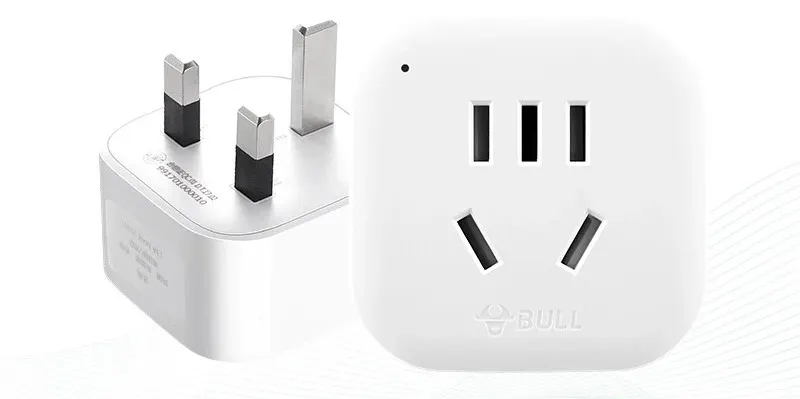
Source: Shopee
When planning a trip to China, it's important to understand the country's electrical standards to ensure your devices function properly during your stay. Electrical systems vary worldwide, and knowing the voltage and frequency specifications can prevent potential damage to your electronics. In China, the electrical standards are quite specific, and being aware of these can help you prepare adequately. Below is a table that outlines China's voltage and frequency specifications, providing you with the information needed to safely use your devices.
Specification | Details |
Voltage | 220 volts |
Frequency | 50 Hz |
China operates on a voltage of 220 volts and a frequency of 50 Hz. This is different from some other countries, such as the United States, which uses 120 volts and 60 Hz. If your devices are not compatible with these specifications, consider using a voltage converter or transformer to avoid any electrical issues.
When traveling from Indonesia to China, it's important to ensure that your electronic devices are compatible with China's electrical system. China has specific plug types and voltage standards that differ from Indonesia's. To avoid any inconvenience, here’s a guide on the must-have adapters and converters for Indonesian travelers visiting China.
Item | Purpose | Description |
Plug Adapter | Allows your device's plug to fit into Chinese outlets. | China primarily uses Type I plugs, which have three flat pins in a triangular pattern. |
Voltage Converter | Converts the voltage from Chinese standards to match your device's needs. | China operates on 220 volts and 50 Hz. If your device is not dual voltage, you'll need this. |
USB Charger | Provides a convenient way to charge multiple devices. | A multi-port USB charger can be handy for charging phones, tablets, and other gadgets. |
Power Strip | Expands a single outlet to accommodate multiple devices. | Look for a power strip that is compatible with 220 volts and has surge protection. |
By ensuring you have the appropriate adapters and converters, you can keep your devices charged and functional throughout your stay in China. Always check your device specifications to determine if a voltage converter is necessary, and consider investing in a universal adapter for future travels.

China's electrical system differs from Indonesia's, so having the correct equipment is crucial to keep your devices charged and functioning. Here's a guide on where to purchase these items in Indonesia, focusing on affordability and safety.
Purchase Location | Price Range (IDR) | Advantages | Disadvantages |
Electronics Stores | 100,000 - 250,000 | - High-quality products - Safety standards met - Knowledgeable staff | - Higher price range compared to online options |
Online Marketplaces | 45,000 - 160,000 | - Wide selection - Competitive pricing - User reviews and ratings | - Quality varies by seller - Shipping times can vary |
Department Stores | 80,000 - 200,000 | - Reliable quality - Safety standards - Convenient location | - Slightly more expensive than online options |
Airport Shops | 150,000 - 300,000 | - Convenient for last-minute purchases - Immediate availability | - Significantly higher prices - Limited selection |
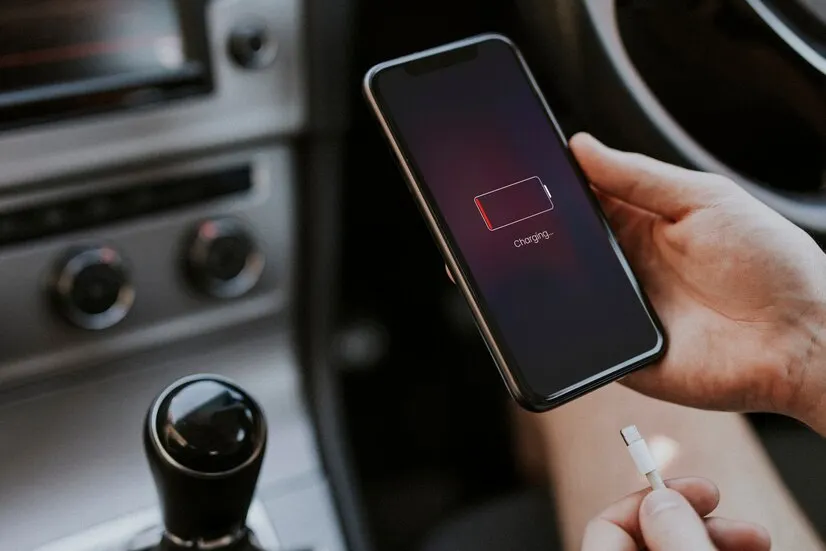
Ensuring your electronic devices remain charged is crucial for a smooth travel experience in China. This is the common charging solution available at cafes, airports, hotels, trains, and shopping malls, helping you stay powered up throughout your journey.
Many cafes and restaurants provide power outlets for customers. Some establishments may also offer power bank rentals.
Airports are equipped with numerous charging stations for travelers.
Most hotels provide multiple outlets in guest rooms, and some may include universal sockets.
High-speed trains may offer USB charging ports for passengers.
Large shopping malls often have charging stations and power bank rental services.
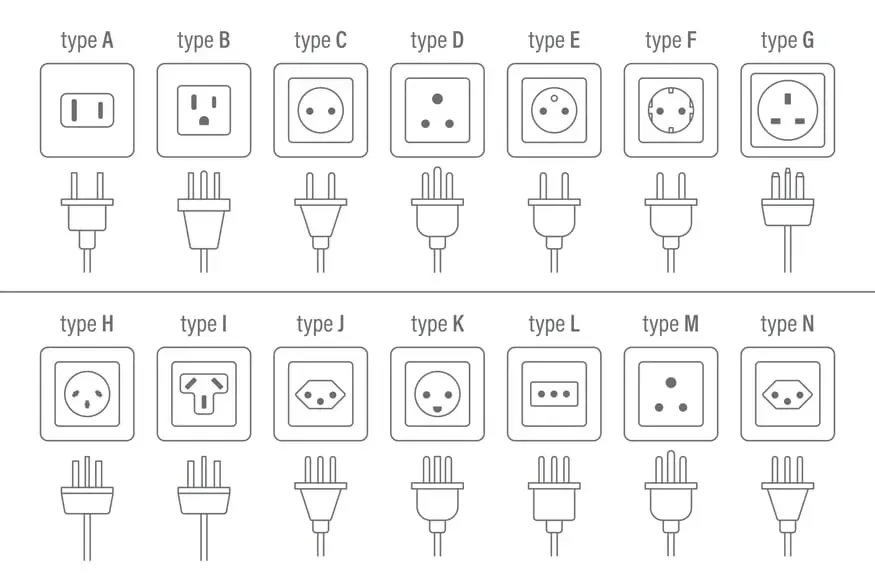
Source: lightningbugelectric.com
When traveling internationally, understanding the varying electrical standards across different countries is essential for ensuring that your electronic devices function properly. Different regions may have distinct voltage levels, plug types, and frequency standards, which can affect the compatibility of your devices. To help you navigate these differences, we've compiled a comprehensive table that highlights the global electrical standards. This resource will assist you in preparing the necessary adapters and converters for your journey, ensuring a seamless experience no matter where your travels take you.
Country/Region | Voltage (V) | Frequency (Hz) | Plug Type(s) |
United States | 120 | 60 | A, B |
Canada | 120 | 60 | A, B |
United Kingdom | 230 | 50 | G |
Australia | 230 | 50 | I |
China | 220 | 50 | A, C, I |
Japan | 100 | 50/60 | A, B |
Germany | 230 | 50 | C, F |
France | 230 | 50 | C, E |
India | 230 | 50 | C, D, M |
Brazil | 127/220 | 60 | C, N |

As you prepare to explore this vast and diverse country, having a well-thought-out travel plan can make all the difference in ensuring a smooth and enjoyable trip. From booking flights and accommodations to navigating local transportation and staying connected, there are several key aspects to consider.
Flight Arrangements: Planning ahead is your ticket to snagging the best flight deals! Look for airlines that offer direct flights from Indonesia to bustling Chinese hubs like Beijing, Shanghai, or Guangzhou—it's all about convenience and saving time.
Accommodation: Get your hotel game on point by booking in advance. Aim for places that offer free Wi-Fi and are close to public transport—trust me, it'll make your life so much easier. Websites like Agoda or Trip.com are your best friends for finding the perfect spot to rest your head.
Public Transport: When it comes to zipping around the city, ride-hailing apps like DiDi are a lifesaver. And if you're feeling adventurous and want to explore different regions, China's train network is top-notch. Don't forget to download metro apps to make subway navigation a breeze.
Stay Connected: Ditch those crazy roaming charges by grabbing a China eSIM when you land. Staying connected means easy access to maps, translation apps, and all the essentials you need to make your trip awesome.
Cashless Payments: Welcome to the land of cashless transactions! Set up WeChat Pay or Alipay before you jet off. It's super handy for shopping, dining, and getting around without the hassle of cash.
Navigating the "China plug" system doesn't have to be a daunting task. By familiarizing yourself with the types of plugs, voltage specifications, and available adapters, you can ensure that your devices remain charged and ready for use.
From purchasing adapters in Indonesia to finding convenient charging locations in China, this guide has covered all the essentials. Armed with this knowledge, you can focus on enjoying your travels and experiencing all that China has to offer. Safe travels and happy charging!
 NO.1
NO.1








![Bus pulang pergi ke Tembok Besar Mutianyu Beijing [7:30|8:30|9:30|12:00|15:30 dengan jadwal keberangkatan fleksibel dan pilihan bahasa Rusia/Spanyol + termasuk tiket shuttle bus + dapat ditingkatkan ke sewa kendaraan pribadi]](https://ak-d.tripcdn.com/images/0352e12000ccyef751C18_C_568_320.jpg)