





 4.8/5
4.8/5 Anonymous user
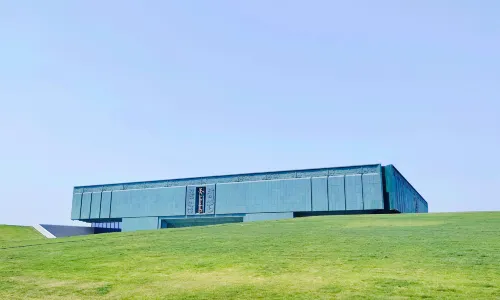
The Yin Ruins Museum is a great place to learn about Shang Dynasty culture. The museum's overall design is also very nice. The combined ticket includes a free shuttle bus ride, which is very convenient for traveling between the three areas. However, when I visited, there were students on a field trip, and the crowds were ridiculously large when buying fridge magnets.
 4.5/5
4.5/5 158***38
Baoquan Tourist Area is a hidden gem. It's not very famous, but the scenery is absolutely stunning. It's suitable not only for young people looking for thrills but also for middle-aged and elderly people looking to enjoy the sights. It's a perfect attraction.
 4.6/5
4.6/5 Janet
JanetI enjoyed a fantastic trip on the first day of National Day, off-peak, during the holiday season! It was my first time at a Fantawild theme park, and I expected it to be just like any other domestic park. I was surprised by how captivating and engaging the show was, showcasing the Chinese culture to its fullest! Nuwa mends the sky, The Cowherd and the Weaver Girl, The Charm of the Nine Provinces, The Yellow Millet Dream, Meng Jiangnu, and Crazy Idioms—all excellent shows! Highly recommended! Fantawild National Colors Spring and Autumn was a truly worthwhile experience!
 4.9/5
4.9/5 SUNSHINE ONUS
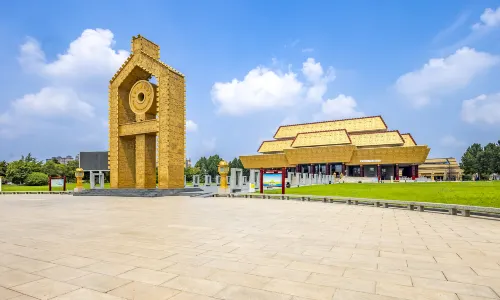
The Chinese Writing Museum, located at No. 656, East Renmin Avenue, Anyang City, Henan Province, is China's first national-level, specialized museum dedicated to writing, approved by the State Council. The exhibition showcases the formation and evolution of Chinese writing, focusing on world writing, with Chinese characters as the core and minority languages as a key component. The museum houses 4,123 cultural relics, including 305 first-class items, covering topics such as oracle bone inscriptions, bronze inscriptions, bamboo slips, and silk manuscripts, as well as the history of Chinese character development, Chinese calligraphy, minority languages, and world writing.
 4.5/5Anonymous user
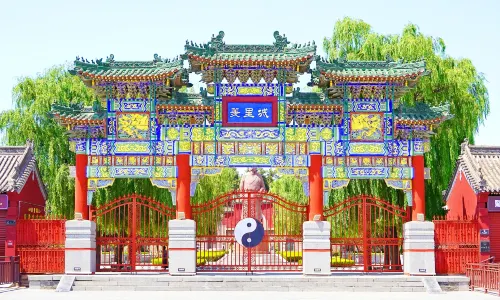
It would be more interesting with an explanation. The Bagua formation is a unique feature; it's simple in some ways, but complex in others, requiring a long time to navigate. It's certainly entertaining. There are so many magpies, they're all over the roof beams!
 4.5/5Anonymous user
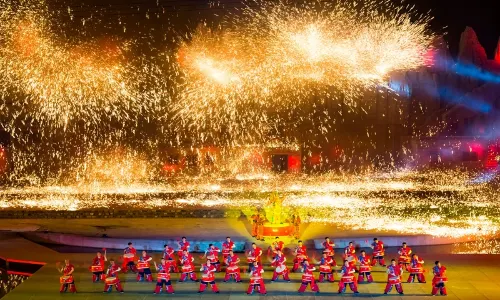
The experience was fantastic. The Guinness World Record-holding iron flower display was amazing. There were lots of free snacks and attractions, and highway tolls were fully reimbursed. There were many activities to do, and the scenery was beautiful. I've been there twice already!
 4.6/5
4.6/5 138***23
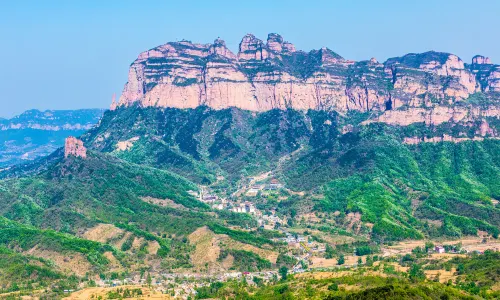
A fantastic travel experience! The Taihang Mountains are magnificent and awe-inspiring. Although the mountains are vast, the ground was very clean, and there were many convenient transportation options for seniors like us. The only downside was that, perhaps because it was the off-season, the service at the restaurant near Zhongtianmen was rather poor; when I asked for directions, she seemed indifferent, even while looking at her phone. However, the elderly gentleman on the sightseeing elevator was exceptionally helpful and kind.
 4.7/5
4.7/5 孤独的隐者
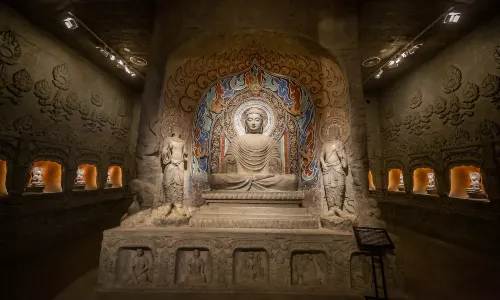
孤独的隐者As expected of a historical city, the museum is very grand and impressive, displaying many exquisite cultural relics, such as a bronze horse, a set of three gold and silver wine vessels, and a smiling arhat. The exhibition layout is also well-organized and the viewing experience is smooth. The commemorative coins are also quite charming and beautiful. Highly recommended!
 4.6/5
4.6/5 。小冉冉
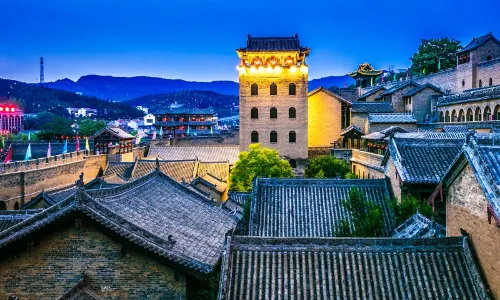
。小冉冉The Huangcheng Xiangfu (Imperial City Prime Minister's Residence) is a 5A-level scenic spot worth visiting. Its grand scale integrates defensive and residential functions, with a clever layout and exquisite brick and wood carvings throughout, showcasing a rich cultural heritage. The scenic area also offers a variety of live performances, allowing visitors to immerse themselves in history. However, it also has drawbacks such as a long parking area and excessive commercialization in some areas.
 4.4/5
4.4/5 春暖花开Y0518
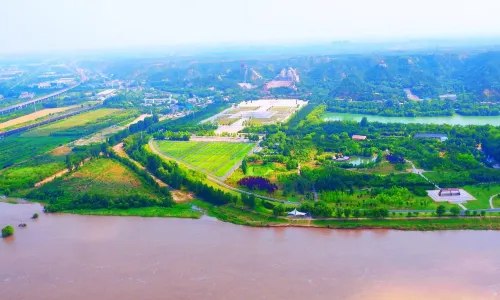
Review: Guangwu Mountain Scenic Area, Zhengzhou, Henan Guangwu Mountain, a historically significant mountain standing north of Xingyang, Zhengzhou, bears the dual charm of a thousand years of war and natural wonder. It is not only a landmark mountain marking the boundary between the middle and lower reaches of the Yellow River, but also the epic stage for the Chu-Han Contention, hailed as "China's First Ancient Battlefield Site." Here, history and nature intertwine, every inch of land whispering ancient stories. I. A Strategic Location in the Long River of History Guangwu Mountain's geographical location is a natural barrier, bordered by the Honggou Canal to the east, Xingyang to the west, the Yellow River to the north, and Songyue Mountain to the south. Its main peak, at 247 meters above sea level, is not particularly high, but its strategic location controlling the Yellow River crossing and the throat of the Central Plains made it a coveted spot for military strategists throughout history. During the Chu-Han Contention, Liu Bang and Xiang Yu confronted each other here, leaving behind the legend of "the Honggou Canal as the boundary." From the Han Dynasty onwards, Guangwu Mountain became a military fortress between Luoyang and Chang'an, witnessing countless bloody battles. Even today, the ruins of the Han-Ba King's City atop the mountain still tell the story of that magnificent history. The remaining city walls and rammed earth foundations seem to transport visitors back to an era of war and conquest. II. Harmonious Coexistence of Nature and Culture The natural scenery of Guangwu Mountain is equally captivating. From the summit, the Yellow River meanders eastward like a golden ribbon, forming a magnificent panorama with the majestic green mountains. The mountains are densely vegetated, with evergreen pines and cypresses, offering different scenery in each season: blooming wildflowers in spring, shady greenery in summer, vibrant autumn foliage, and a pristine white landscape in winter. The Peach Blossom Valley Scenic Area of Sanhuang Mountain is a highlight; when the peach blossoms are in full bloom, the pink and white petals fall in the wind, creating a scene of ethereal beauty. Furthermore, Guangwu Mountain marks the boundary between the middle and lower reaches of the Yellow River. The "Yellow River Middle and Lower Reaches Boundary Marker" at the summit has become a popular spot for tourists, symbolizing the geographical shift from a powerful to a gentler terrain. III. Profound Cultural Heritage Guangwu Mountain is not only a battlefield but also a cultural highland. The Guangwu Mountain Scenic Area at the summit integrates historical sites, ecology, and leisure. The Han-Ba Er Wang Cheng Museum displays unearthed artifacts, vividly recreating the historical scene of the Chu-Han Contention. At the foot of the mountain lies Taohuayu, named for its peach blossoms, and the legend of the "Peach Blossom Fairy" adds a romantic touch to the landscape. Guangwu Town, known as the "Hometown of Chinese Poetry," nurtured cultural figures such as Liu Yuxi. His poem, "A mountain is not famous for its height, but for the immortals who dwell there," aptly describes Guangwu Mountain—though not a precipitous peak, it is renowned worldwide for its history and culture. IV. Diverse Modern Tourism Experiences Today, Guangwu Mountain has become a popular destination for tourists around Zhengzhou. Visitors can hike up the mountain, experiencing the exhilaration of "Ascending to the summit, one can survey all the mountains below"; explore the Han-Ba Er Wang Cheng ruins, touching the warmth of history; or stroll through Taohuayu, enjoying the dual gifts of nature and legend. The scenic area boasts well-developed facilities and convenient transportation, just a one-hour drive from Zhengzhou. Whether you're a history buff, a nature explorer, or a family, you're sure to find something to enjoy here. V. Conclusion: A Mountain's Millennial Echo Guangwu Mountain, this "small" mountain at 247 meters above sea level, has become a shining pearl on the Central Plains due to its profound history and natural beauty. It is not only a witness to the Chu-Han Contention but also an epitome of Yellow River culture. Here, history is no longer just words in books but tangible city walls and legends; nature is no longer distant scenery but the breath of every inch of land beneath your feet. Guangwu Mountain is worth every traveler's visit to listen to its millennial echoes. Highlights: Historical Depth: Centered on the Chu-Han Contention, it connects the military and cultural threads of past dynasties. Integration of Nature and Culture: Highlighting distinctive landscapes such as the Yellow River boundary and Peach Blossom Valley, it strengthens cultural legends. Modern Values: Emphasizing convenient transportation and diverse experiences to attract different tourist groups. Language Style: Combining poetic and rational elements, it possesses both the grandeur of "clashing swords and galloping horses" and the gentle beauty of "blooming wildflowers." Guangwu Mountain, a mountain that encapsulates half of history. With its silent city walls and the surging Yellow River, it tells the eternal story of the Central Plains.

