Schengen Visa: Requirements, Documents & Application Guide


Planning a trip to Europe? If you’re travelling to countries within the Schengen Area, you may need a Schengen Visa before departure. This short-stay visa allows eligible travellers to visit multiple Schengen countries with a single visa, making it easier to explore popular destinations such as France, Italy, Switzerland, Germany, Spain, and the Netherlands.
What Is a Schengen Visa?
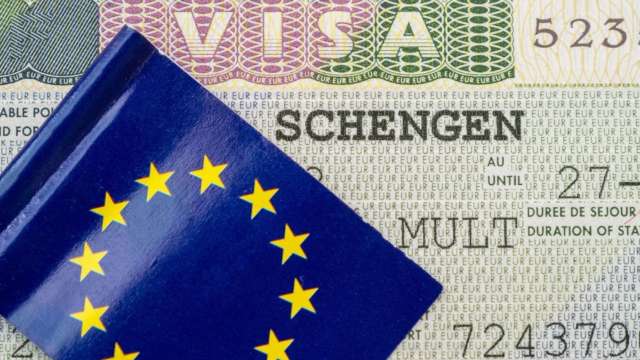
A Schengen Visa is a short-stay visa that allows eligible travellers to enter and travel within the Schengen Area for up to 90 days within any 180-day period. It is commonly used for tourism, visiting family or friends, business trips, and other short-term purposes.
One of the main advantages of a Schengen Visa is that travellers can generally visit multiple Schengen countries with one visa, provided they follow the visa conditions and apply through the appropriate country. For example, a traveller could visit France, Switzerland, and Italy during the same trip without applying for a separate visa for each country.
However, a Schengen Visa does not automatically guarantee entry. Border authorities may still ask about your travel plans, accommodation, financial means, and other supporting documents when you arrive in the Schengen Area.

Which Countries Can You Visit with a Schengen Visa?

A Schengen Visa allows eligible travellers to visit countries within the Schengen Area without applying for a separate short-stay visa for each country. The Schengen Area currently consists of 29 countries, including most popular European destinations.
Schengen Countries
You can generally travel to the following countries with a valid Schengen Visa:
- Austria
- Belgium
- Bulgaria
- Croatia
- Czechia
- Denmark
- Estonia
- Finland
- France
- Germany
- Greece
- Hungary
- Iceland
- Italy
- Latvia
- Liechtenstein
- Lithuania
- Luxembourg
- Malta
- Netherlands
- Norway
- Poland
- Portugal
- Romania
- Slovakia
- Slovenia
- Spain
- Sweden
- Switzerland
Bulgaria and Romania became fully part of the Schengen Area on 1 January 2025, bringing the total number of Schengen countries to 29.
Can You Visit Multiple Countries with One Schengen Visa?
Yes. If your visa is valid for the countries you plan to visit, you can generally travel between Schengen countries without undergoing routine internal border checks.
For example, a single Schengen Visa could cover an itinerary such as:
Indonesia → France → Switzerland → Italy → Germany → Indonesia
However, you should apply through the Schengen country that is your main destination, generally the country where you will spend the most time. If you plan to spend an equal amount of time in several countries, you should generally apply through the country you will enter first.
 78 booked
![Perjalanan satu hari ke Mont Saint-Michel + Biara di Prancis [Paris pulang pergi | Tur bahasa Inggris | Pilihan termasuk tiket]](https://ak-d.tripcdn.com/images/0355y12000sgc28asA40A_C_568_320.jpg)

Schengen Visa Requirements
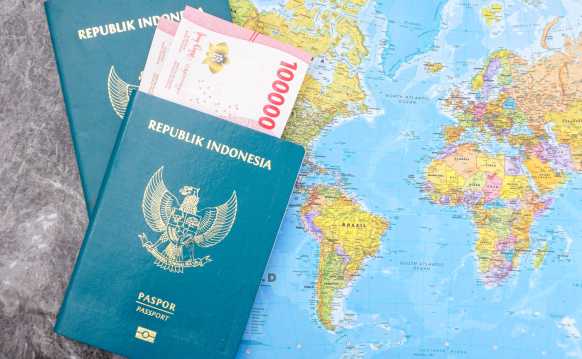
If you are an Indonesian passport holder planning a short trip to Europe, you will generally need to prepare several documents when applying for a Schengen Visa. The exact requirements can vary depending on the consulate and the purpose of your trip, so applicants should always check the requirements of their main destination before submitting an application.
1. Valid Passport
Your passport should be valid for at least three months after your planned departure from the Schengen Area. It should also meet the relevant passport and travel-document requirements.
2. Completed Visa Application Form
Applicants need to complete and sign the appropriate Schengen Visa application form. Make sure the information matches your passport and supporting documents.
3. Passport Photo
A recent photograph that meets ICAO standards is required. The specific photo specifications should be checked with the consulate or visa application centre handling your application.
4. Travel Medical Insurance
Travel medical insurance is required for a Schengen Visa application. The policy should cover emergency medical treatment, hospitalisation and repatriation, including repatriation in the event of death.
5. Proof of Travel Plans
You may need to provide documents showing the purpose and details of your trip, such as:
- Flight itinerary
- Travel itinerary between Schengen countries
- Hotel or accommodation reservations
- Invitation letter, if applicable
- Documents explaining the purpose of your visit
6. Proof of Financial Means
Applicants need to demonstrate that they have sufficient financial resources to support themselves during their stay. Depending on the application, this may include bank statements, payslips, employment documents or other financial evidence.
7. Proof of Intention to Return
You may also need to provide evidence showing your intention to return to Indonesia after your trip. Examples can include employment or business documents, study-related documents, or other evidence of your circumstances in Indonesia.
8. Biometric Data
Applicants generally need to provide fingerprints and a digital photograph when submitting their application. Some applicants may be exempt, including children under 12 and people who are physically unable to provide fingerprints. Previously collected fingerprints may be reused for subsequent applications for up to five years in applicable cases.
9. Additional Supporting Documents
The consulate may request additional documents depending on your circumstances, nationality, travel purpose, or application. Therefore, it is important to check the specific document checklist provided by the relevant Schengen country's consulate or authorised visa centre before your appointment.
How to Apply for a Schengen Visa
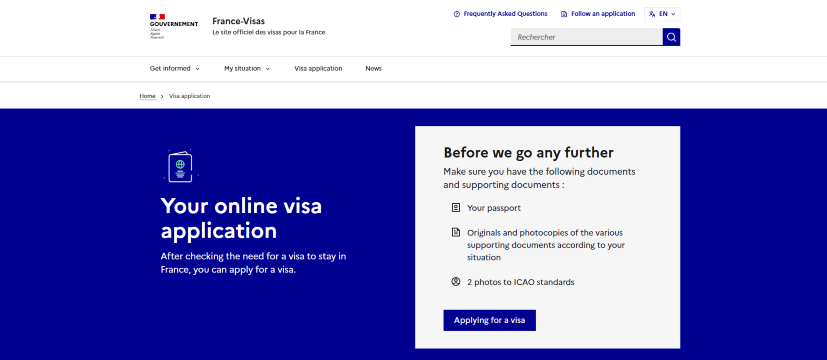
Applying for a Schengen Visa involves several steps, from choosing the correct country to submit your application to preparing documents and providing biometric data. For Indonesian travellers, it is important to apply through the Schengen country that is your main destination and follow the specific instructions of its embassy, consulate, or authorised visa application centre.
1. Determine Your Main Destination
If you are visiting only one Schengen country, submit your application to that country's consulate.
If your trip includes several Schengen countries, apply to the country where you will spend the longest time. If you will spend an equal number of days in each country, apply through the country you will enter first.
2. Check When to Apply
You can submit a Schengen Visa application up to 6 months before your planned trip and generally no later than 15 days before your intended journey. Because appointment availability can vary, it is advisable to start preparing your application well in advance.
3. Prepare the Required Documents
Prepare your supporting documents according to the requirements of the relevant consulate. Common documents include:
- Valid passport
- Completed and signed visa application form
- Recent passport photo
- Travel medical insurance
- Flight or travel itinerary
- Proof of accommodation
- Proof of sufficient financial means
- Documents showing the purpose of your trip
- Evidence of your intention to return to Indonesia
- Additional documents requested by the consulate, if applicable
4. Book a Visa Appointment
Depending on the country and application centre, you may need to book an appointment before submitting your application. Check the official website of the relevant embassy, consulate, or authorised visa service provider for appointment procedures and document requirements.
5. Submit Your Application and Biometrics
Attend your appointment in person and submit your application along with the required documents. Your fingerprints and digital photograph will generally be collected as part of the application process, although exemptions apply to certain applicants.
6. Pay the Visa Fee
The standard Schengen Visa fee is currently €90 for adults and €45 for children aged 6 – 12. An additional service fee may apply if you submit your application through an external visa application centre.
7. Wait for the Decision
The normal processing time is around 15 calendar days, although the application may take longer if additional examination or documents are required. In certain cases, processing can be extended to up to 45 days.
8. Collect Your Passport
Once a decision has been made, you can collect your passport or receive it according to the delivery arrangements offered by the application centre. If your visa is approved, check the visa sticker carefully to confirm the validity dates, number of entries, and permitted duration of stay before travelling.


Which Schengen Country Should You Apply To?

If your trip covers more than one Schengen country, you should not simply apply to the country where you will enter Europe first. The correct country depends mainly on where you plan to spend the most time during your trip.
1. If You Visit Only One Schengen Country
If your entire trip is in one country, you should apply for your Schengen Visa through the consulate or authorised visa centre of that country.
For example, if your itinerary is:
Indonesia → France → Indonesia
you should apply for a Schengen Visa through France.
2. If You Visit Multiple Schengen Countries
If you are travelling to several Schengen countries, apply through the country where you will spend the longest period of your trip.
For example:
- France — 5 nights
- Italy — 3 nights
- Switzerland — 2 nights
You should apply through France, as it is your main destination and has the longest stay.
3. If You Spend Equal Time in Several Countries
If you plan to spend an equal number of days in two or more Schengen countries, you should generally apply through the country you will visit first.
For example:
- France — 4 nights
- Italy — 4 nights
- Switzerland — 4 nights
If France is your first Schengen destination, you would generally apply through France.
4. What If Your Flight Lands in a Different Country?
Your first point of entry does not necessarily determine where you should apply.
For example, you might fly:
Indonesia → Netherlands → France → Italy → Indonesia
If you spend the longest part of your trip in France, France would generally be the appropriate country for your application, even though you first enter the Schengen Area through the Netherlands.
Understanding the 90/180-Day Schengen Rule
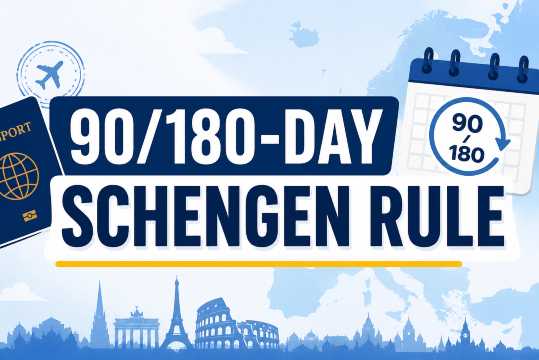
The 90/180-day rule determines how long you can stay in the Schengen Area on a short-stay Schengen Visa. In general, you can stay for a maximum of 90 days within any rolling 180-day period. The rule applies to the Schengen Area as a whole, rather than giving you 90 days in each individual country.
1. How Does the 90/180 Rule Work?
Think of it as a moving 180-day window.
On any day you are in the Schengen Area, you look back over the previous 180 days. The total number of days you spent in the Schengen Area during that period must not exceed 90 days.
For example, if you stay in Europe continuously for 30 days, those 30 days count toward your 90-day allowance. You would then have up to 60 days remaining within the relevant 180-day period, subject to your visa's validity and conditions.
2. The Rule Applies Across All Schengen Countries
The 90 days are shared across the entire Schengen Area.
For example:
- 🇫🇷 France — 20 days
- 🇮🇹 Italy — 15 days
- 🇨🇭 Switzerland — 10 days
- 🇩🇪 Germany — 15 days
Total = 60 days
You have spent 60 days in the Schengen Area, not 60 days in each country.
3. Example of Multiple Trips
Suppose you travel to Europe several times:
- January: 20 days
- March: 25 days
- June: 30 days
That is 75 days in total. You would have to carefully check the 180-day reference period for each subsequent day of travel to determine how many days remain available.
Importantly, leaving the Schengen Area for a short period does not automatically reset the 90-day allowance. The calculation continues using the rolling 180-day period.
4. Do Entry and Exit Days Count?
Yes. Both the day you enter and the day you leave the Schengen Area count as days of stay.
For example, if you enter on 1 June and leave on 10 June, this counts as 10 days, not 9.
5. What Happens If You Overstay?
Exceeding the permitted period can result in immigration problems, including penalties or difficulties with future travel to the Schengen Area. Always check your visa sticker for the “Duration of stay” and “Number of entries” before travelling.
Schengen Visa & New Entry/Exit System (EES)
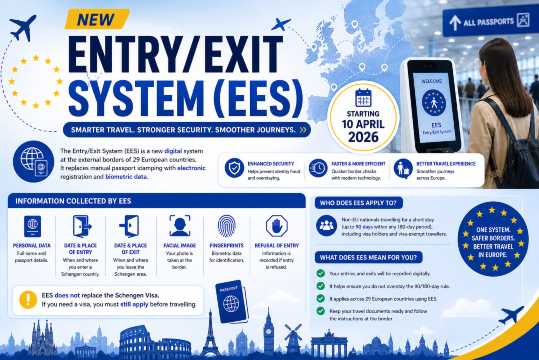
The Entry/Exit System (EES) is a new automated border management system introduced by the European Union to electronically register the entry and exit of non-EU nationals travelling to participating European countries for short stays. The system is designed to replace traditional passport stamping with digital records and biometric identification.
The EES became fully operational on 10 April 2026 at the external border crossing points of the 29 European countries using the system.
1. Who Does the EES Apply To?
The EES generally applies to non-EU nationals travelling for a short stay of up to 90 days within any 180-day period, whether they need a Schengen Visa or are visa-exempt. Therefore, Indonesian travellers holding a Schengen Visa are generally within the scope of the EES when entering participating countries.
2. What Information Does the EES Collect?
When crossing an external border, the system records information such as:
- Full name and other passport details
- Date and place of entry
- Date and place of exit
- Facial image
- Fingerprints
- Information about refused entry, if applicable
For travellers who already hold a short-stay visa, fingerprints are already stored in the Visa Information System (VIS) and are not stored again in the EES in the same way as a new EES biometric record.
3. What Does EES Mean for Schengen Visa Holders?
The EES does not replace the Schengen Visa. Indonesian passport holders who require a Schengen Visa must still obtain the appropriate visa before travelling.
Instead, EES changes how your entry and exit are recorded at the border. Rather than relying primarily on passport stamps, your movements are registered electronically. The system also helps border authorities identify travellers who have exceeded their permitted stay.
4. Which Countries Use the EES?
The EES is used by 29 European countries, covering the Schengen Area countries that participate in the system. These include France, Italy, Germany, Spain, Switzerland, the Netherlands, Austria, Greece, Portugal, and others. Cyprus and Ireland do not use the EES, and passports continue to be stamped manually there.
5. Does EES Change the 90/180-Day Rule?
No. The 90/180-day rule remains the same for short-stay travellers. EES simply provides an electronic record of your entries and exits and can help authorities calculate how long you have stayed. Travellers can also use the official EES tools to check their remaining authorised stay.
FAQ Schengen Visa
-
Do Indonesians need a Schengen Visa?
-
What is a Schengen Visa?
-
How long can I stay in Europe with a Schengen Visa?
-
Can I visit multiple countries with one Schengen Visa?
-
How early can I apply for a Schengen Visa?
-
Is travel insurance mandatory?
-
Do I need to attend an interview?
-
What is the 90/180-day rule?