Recommended eSIM Options for Traveling to China!
3 day - 3GB/day
- Data3GB/day
- Validity3 day
- Pricefrom Rp 64.556
5 day - 20GB
- Data20GB
- Validity5 day
- Pricefrom Rp 136.035
7 day - 20GB
- Data20GB
- Validity7 day
- Pricefrom Rp 147.439



Oleh Jessica
24 Juli 2025

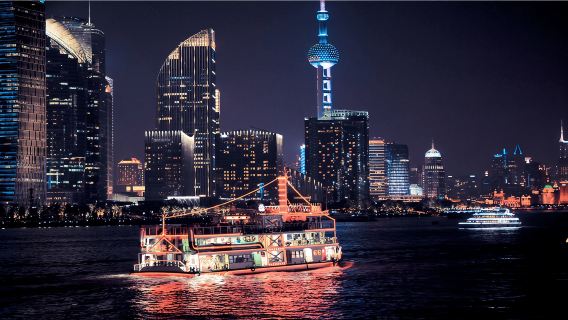
As an Indonesian visiting Shanghai, I was immediately captivated by the city's seamless and advanced transportation system. The metro network is incredibly efficient, making it a breeze to navigate through the city. Buses are surprisingly straightforward to use, and taking a ferry across the Huangpu River at sunset offers a magical experience that's hard to forget.
While Shanghai moves at a faster and more hectic pace than Jakarta, there's a unique charm in how everything operates so smoothly. If you're accustomed to Jakarta's vibrant energy, you'll feel right at home here, just with a bit more hustle and dazzling neon lights.
In this guide, I'll take you through the ins and outs of Shanghai's transport options—covering the metro, buses, taxis, ride-hailing services, and the best walking routes. Here's everything you need to know about navigating Shanghai.
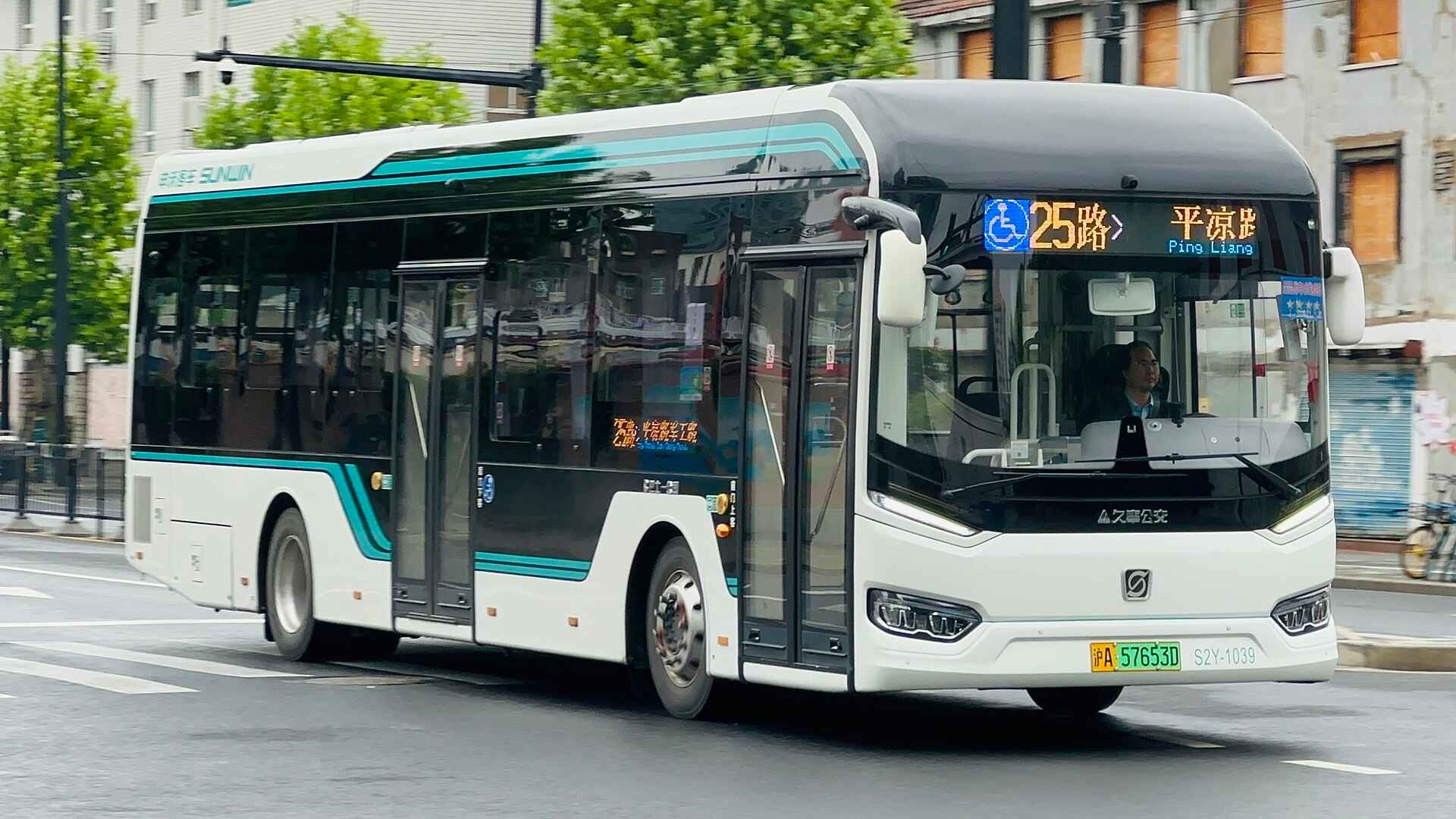
The public bus system in Shanghai, known as Shanghai City Bus, covers various areas of the city, including suburbs and tourist spots. Buses are a popular choice for both locals and tourists who want to explore the city in a more relaxed way.
Buses are often a better choice than the metro for scenic routes or accessing parks and areas not covered by the metro. For example, Bus Line 71 offers interesting city views as it travels along Yan'an Road. Bus Line 911 is a good option for reaching shopping and dining areas around Xintiandi and Huaihai Road.
You can pay with a Shanghai public transport card, cash, or mobile payment apps like Alipay and WeChat Pay. Make sure to have exact change if paying with cash, as no change is given. Board and exit the bus through the front door, and remember to tap in and out if using a card.
Operating Hours: Usually from 5:00 AM to 11:00 PM
Frequency: Every 5–15 minutes during the day, but less frequent at night
Airport shuttles in Shanghai, like Airport Bus Line 2, connect Pudong Airport to the city center for about ¥20–30 (around Rp 40,000–60,000). These shuttles are convenient and easy to find at the airport, ideal for late arrivals or if you have large luggage.
Buses are great for budget travelers or those who want to explore the city at a leisurely pace. Certain routes offer beautiful views and a good introduction to the city's atmosphere. Compared to buses in Jakarta, Shanghai buses offer a similar experience in terms of comfort and affordability.
Be aware that some signs can be confusing, and apps for checking bus schedules may not always be accurate. However, most signs and announcements are available in English.



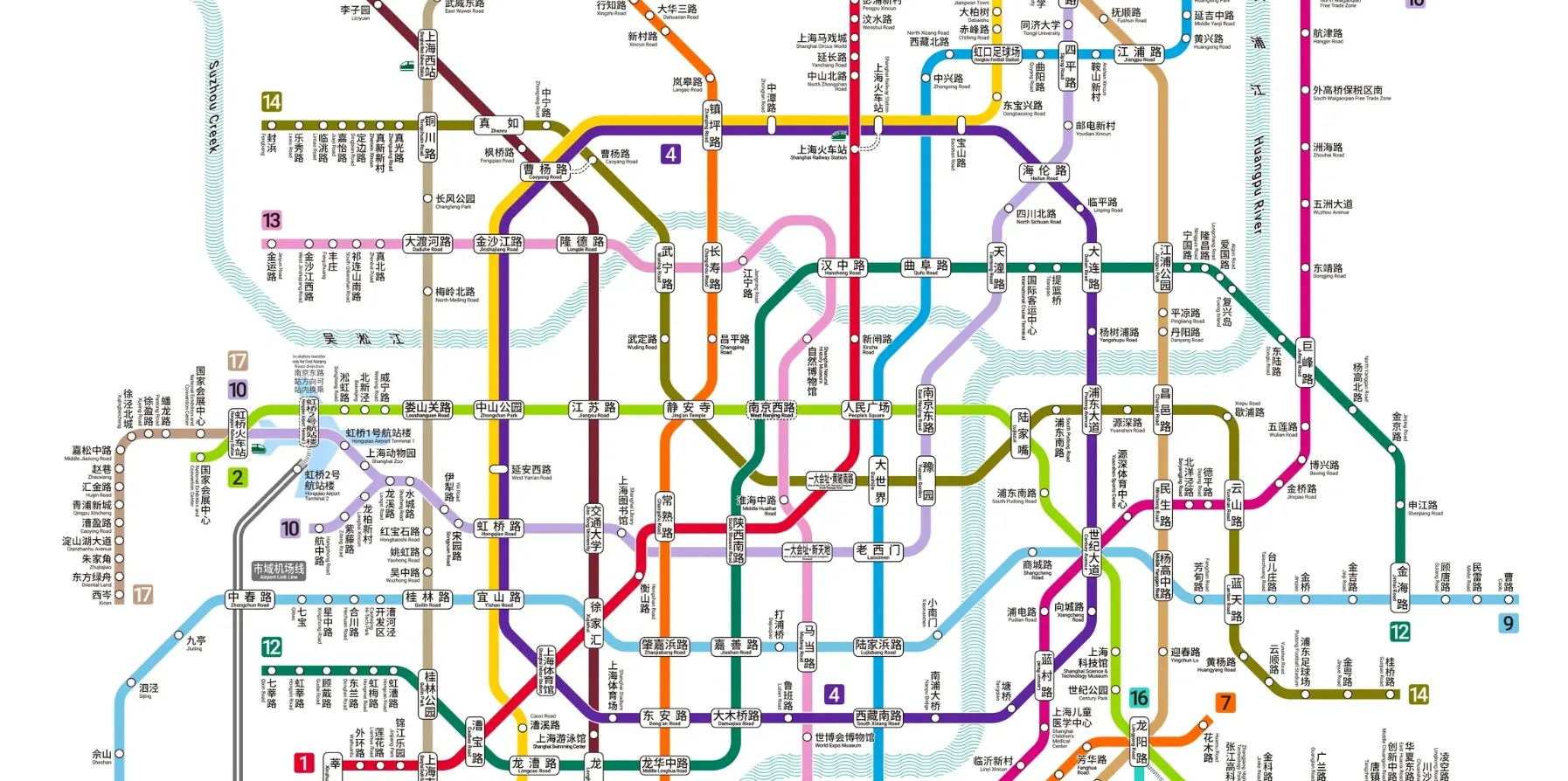
The Shanghai Metro (上海地铁) is a must-use for visitors, offering a vast network that covers nearly all major shopping areas and tourist attractions. With over 20 lines and more than 500 stations, it efficiently connects diverse parts of the city, including both Pudong and Hongqiao airports. The metro features various lines identified by numbers, ensuring easy navigation.
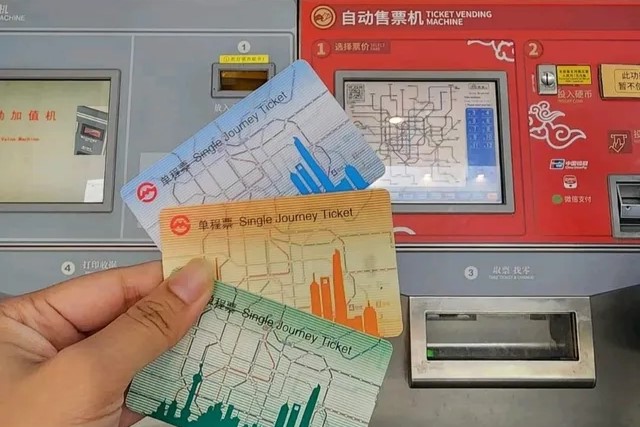
The metro is very affordable, with fares ranging from ¥2–9 per ride (approximately Rp 4,000–18,000). Most locals use the Shanghai Public Transport Card, similar to Singapore's EZ-Link, allowing easy tap-in and tap-out. Cards can be purchased at metro stations and airports. For tech-savvy travelers, Alipay or WeChat Pay linked to a Chinese bank account offers a convenient QR code entry option.
Perfect for solo travelers and commuters, the Shanghai Metro is clean, air-conditioned, and equipped with Wi-Fi. Compared to Singapore's MRT, it offers a similarly efficient and comfortable experience.
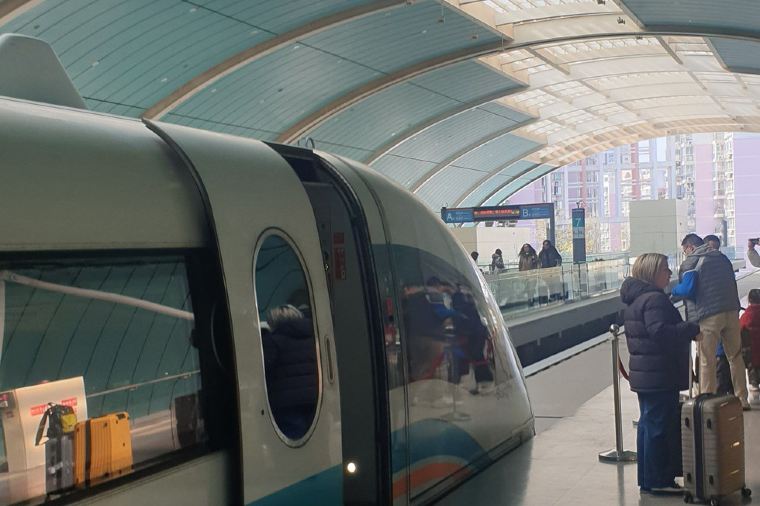
Shanghai's Maglev Train offers a high-speed connection between Pudong Airport (PVG) and Longyang Road Station on Metro Line 2. Known as the fastest commercial train globally, it reaches impressive speeds up to 431 km/h (268 mph).
Tickets can be purchased at airport counters or vending machines. A one-way ticket costs around ¥50 (approximately Rp 100,000). Payment can be made in cash or using a Shanghai Public Transport Card.
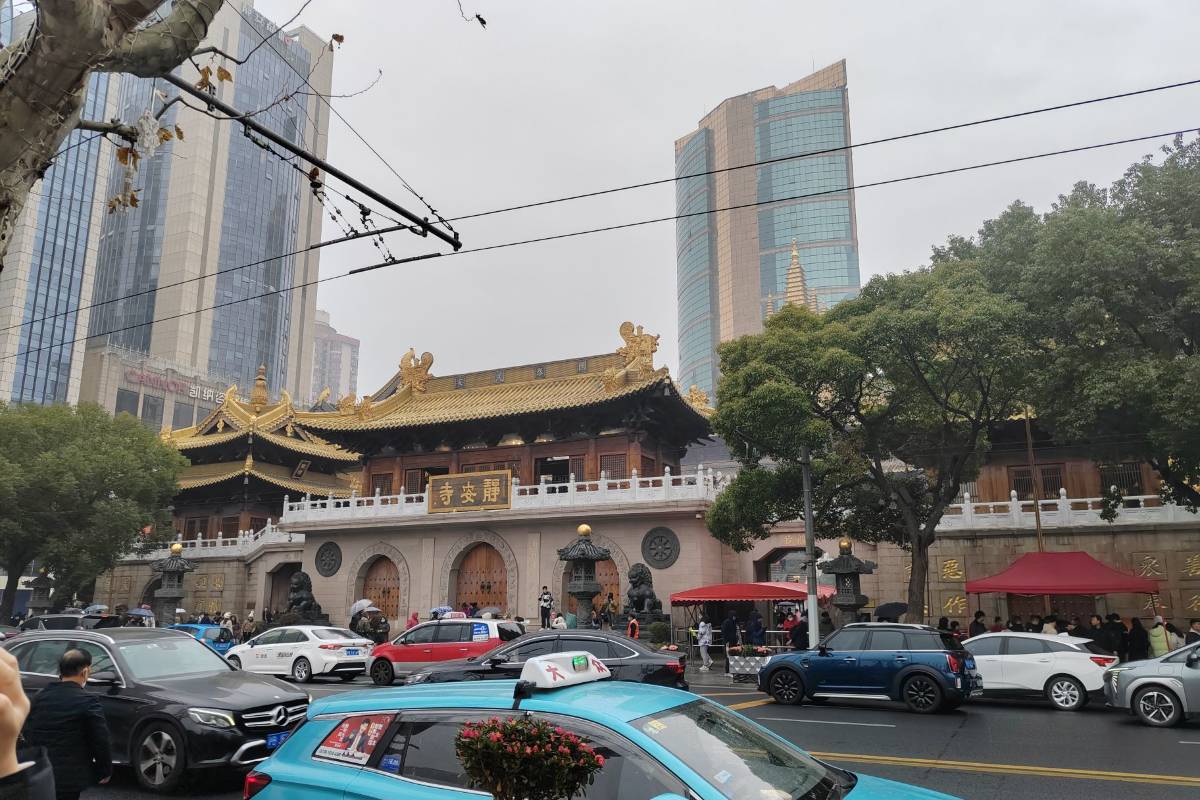
Shanghai offers a robust network of taxis and ride-hailing services, making it easy to navigate the city. Taxis are widely available and generally reliable, with most drivers being professional and courteous. However, ride-hailing apps like Didi Chuxing have gained popularity due to their convenience and ease of use. Both options are regulated, but it's important to stay vigilant against potential scams, such as drivers claiming the meter is broken.
Taxis in Shanghai typically charge by the meter, with fares starting at around 14 RMB (approximately Rp 30,000) for the first 3 kilometers. Ride-hailing apps provide upfront pricing, which can range from 20 RMB to 100 RMB (around Rp 43,000 to Rp 215,000) depending on distance and demand. Be aware of night surcharges and tolls. Payment can be made in cash or via mobile apps like Alipay and WeChat Pay.
Upon arriving at Pudong or Hongqiao International Airport, official taxi ranks are clearly marked and easy to find. Ride-hailing pickup zones are also available, and pre-booking through apps like Didi is advisable to avoid long waits. Note that airport pickups may incur additional surcharges.
Taxis and ride-hailing services are ideal for families with children, seniors, and travelers with heavy luggage. They are especially convenient for late-night arrivals or when staying in areas not well-served by public transport.
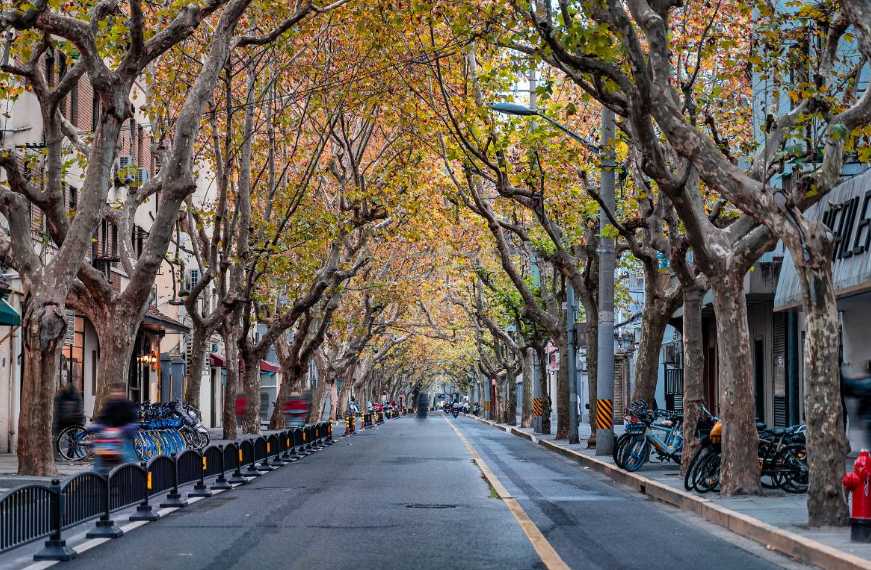
Shanghai is a fascinating city to explore on foot, with a blend of modern skyscrapers and historical districts. The city is generally walkable, especially in areas like the Bund, Xintiandi, and the French Concession, where key attractions are clustered together. These districts offer a unique mix of shopping streets, waterfront views, and charming old-town vibes, making them perfect for leisurely strolls.
Sidewalks in Shanghai are typically well-maintained, though they can become crowded during peak hours. Pedestrian crossings are respected, but it's always wise to stay alert as traffic can be busy. Some areas might have accessibility challenges, such as uneven paths or occasional steep hills, so comfortable walking shoes are recommended.

Google Maps is reliable in Shanghai, and you'll find signs in both English and Chinese, especially in tourist-friendly areas. The city is generally safe for walking alone at night, though it's always best to stick to well-lit areas. Compared to Singapore, Shanghai might feel a bit more bustling and fast-paced, but it offers a unique charm that's worth experiencing.
Shanghai's weather can impact walkability, with hot summers and chilly winters. Spring and autumn are ideal for walking, offering mild temperatures perfect for exploring. Be sure to check the forecast before heading out, and consider reading about "weather in Shanghai" for more detailed insights.
For a picturesque walk, head to the Bund for stunning views of the skyline and Huangpu River. Another gem is Tianzifang in the French Concession, where narrow alleys are filled with art shops, cafes, and local boutiques. These areas offer great photo opportunities and a chance to experience Shanghai's vibrant culture.
Exploring Shanghai on foot is perfect for solo travelers, couples, and photo enthusiasts. Those staying in central areas will find it easy to access key attractions without relying heavily on transport.
Be cautious of traffic-heavy roads with narrow sidewalks, especially during rush hours. Unexpected closures or construction can occur, so it's good to have a flexible itinerary. Also, some areas may lack shade, so sun protection is advisable during sunny days.
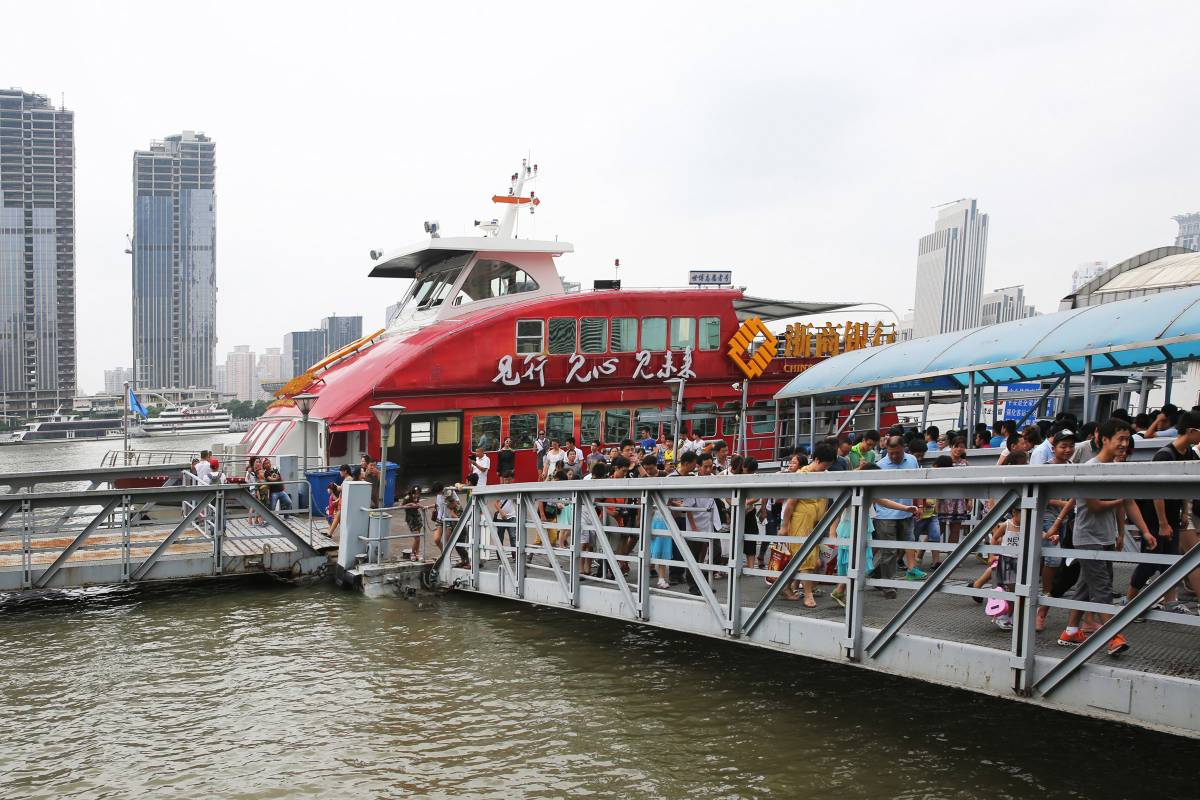
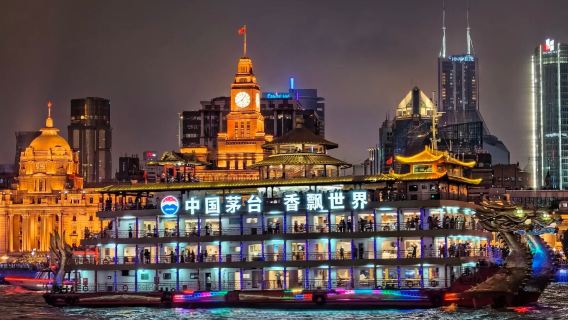
Shanghai's waterways offer a unique and scenic way to explore the city, providing both practicality and charm. The Huangpu River ferries and various river cruises are popular options, seamlessly blending into the city’s public transport network. Companies like Shanghai Ferry and Huangpu River Cruise offer reliable services.
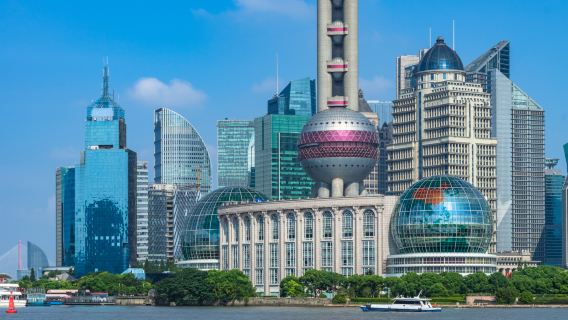
These water routes take you past iconic landmarks, with ferries connecting the bustling Bund to the historic Pudong area. Cruises often highlight the dazzling skyline, passing by attractions like the Oriental Pearl Tower and the Shanghai Tower. Many piers are conveniently linked to metro stations, making it easy to transition between land and water.
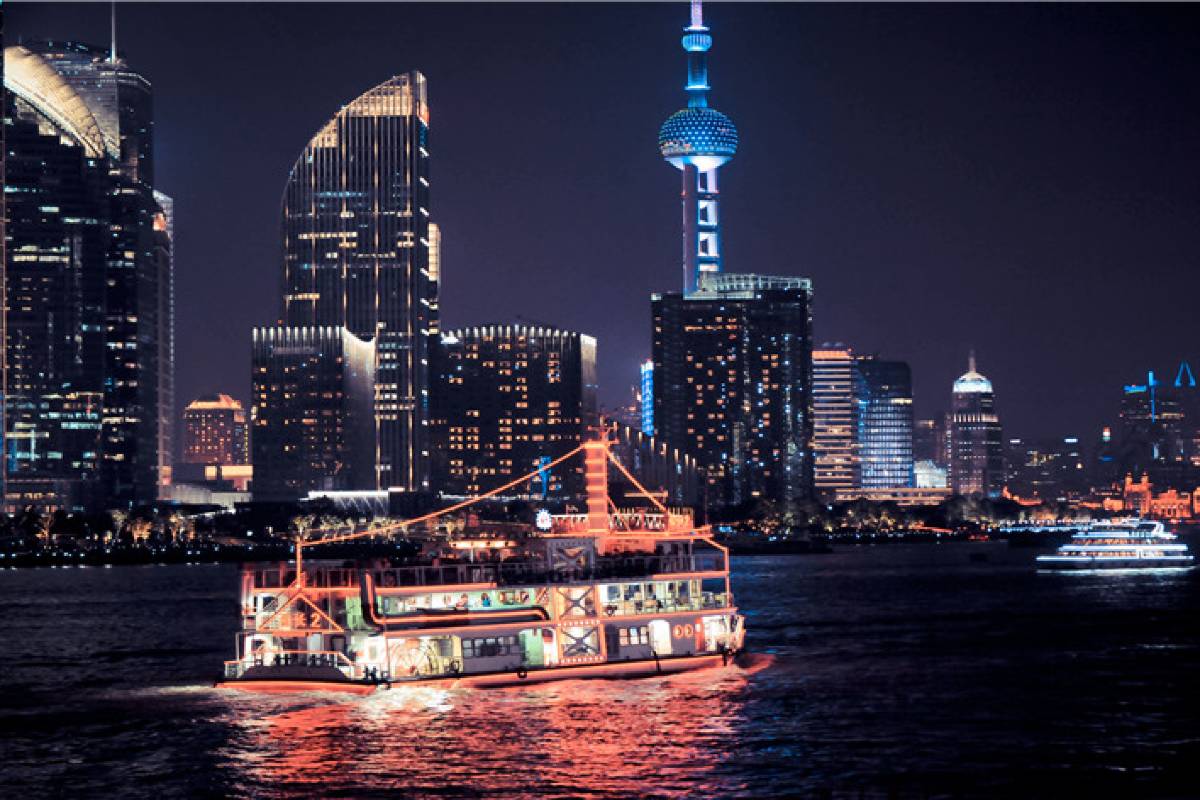
Ferries operate from early morning until late evening, with frequent departures every 10-20 minutes.
Cruises have scheduled times, often in the evening for the best views of the illuminated skyline. Some offer hop-on-hop-off options, perfect for leisurely exploration.
Water transport is ideal for sightseeing, offering a relaxing escape from city traffic. It’s family-friendly, with plenty of space for children to enjoy the views. Couples will find the evening cruises especially romantic.
Experience the local culture as you glide past bustling docks and serene temples. You might spot monks on boats or catch a glimpse of a floating market, adding a touch of authenticity to your journey.
For more ideas on what to see and do, check out our guide on things to do in Shanghai. Enjoy your waterborne adventure! 🌊
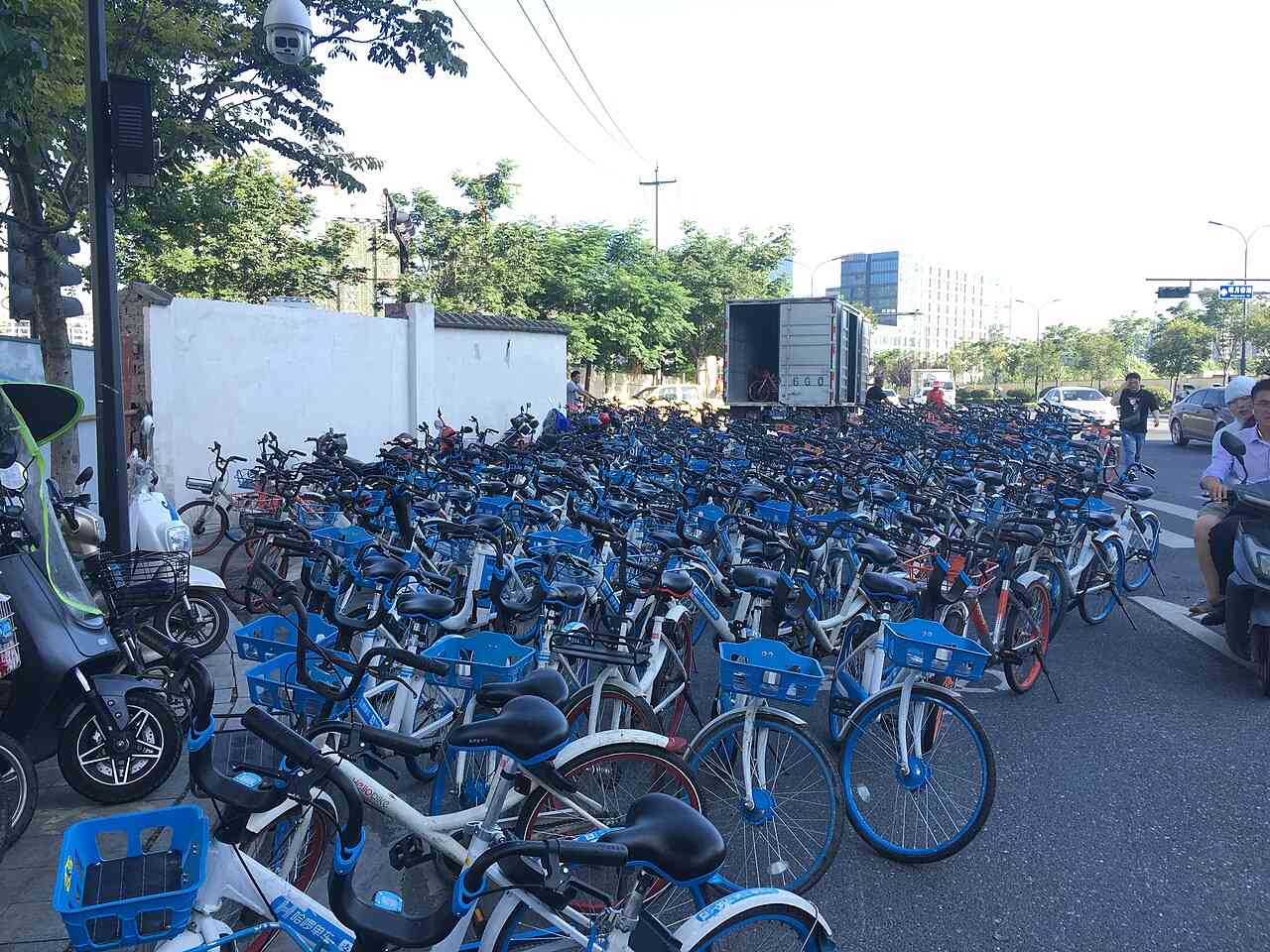
In Shanghai, micro-mobility options include shared bikes and e-scooters, primarily offered by local providers and accessible through apps like Meituan and HelloBike. While motorbike taxis are not common or officially recognized, these micro-mobility services offer a convenient way to navigate the city.
You can find shared bikes and e-scooters near major transport hubs, outside malls, and at popular street corners. These services are typically dockless, allowing you to pick up and drop off anywhere within designated zones.
These options are perfect for short distances, navigating narrow alleys, and avoiding traffic jams. Ideal for solo travelers, commuters, or those hopping between nearby attractions.
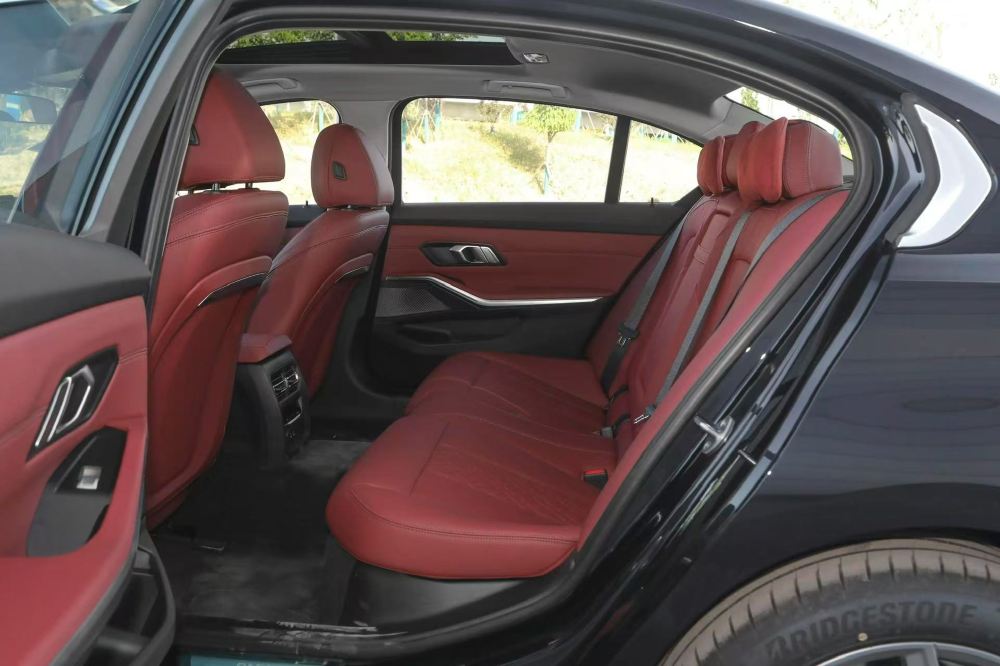
Driving in Shanghai can be both practical and challenging. It makes sense if you're planning road trips to nearby cities, traveling with kids, or staying in the suburbs or countryside where public transport is less accessible. However, within the bustling city center, traffic can be stressful, and public transport might be more convenient.
You can rent a car at major locations like Pudong or Hongqiao Airports, or at various city outlets. Online booking through platforms like Trip.com is reliable and convenient: 👉 Compare car rentals in Shanghai.
Tourists need an International Driving Permit (IDP) alongside their home country driving license. The minimum age to rent a car is typically 21, but some companies may require drivers to be 25. Bring your passport, IDP, and a credit card for deposits. Local insurance is usually mandatory and can be arranged at the rental counter.
Daily rental rates range from IDR 600,000 to IDR 1,500,000, depending on the car type. A deposit is often required, ranging from IDR 2,000,000 to IDR 5,000,000. Fuel policies are usually full-to-full. Be mindful of additional costs such as tolls, parking fees, and potential congestion charges in busy areas.
Traffic in Shanghai can be heavy, especially during peak hours. Local driving habits might seem aggressive, and road signs are primarily in Chinese, though major routes include English translations. Shanghai drives on the right-hand side, and GPS systems are generally reliable but ensure they are set to English.
Be cautious of tight alleys and steep roads, particularly in older districts. Parking can be challenging in the city center, with limited spaces and restricted zones. It's advisable to plan your parking in advance.
Renting a car is ideal for families, business travelers, or couples planning day trips to the countryside. It's less suited for those staying primarily in the city center due to traffic and parking constraints.
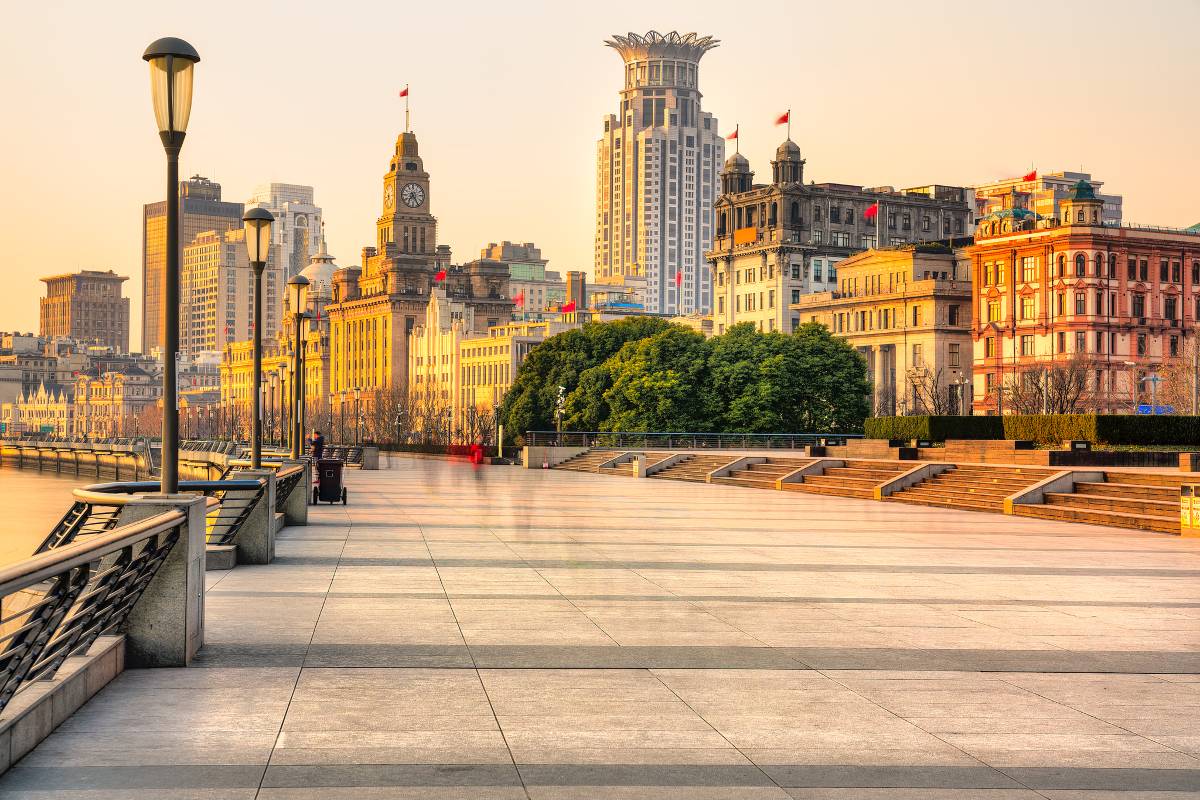
As you wrap up your journey through Shanghai, you'll find that navigating its vibrant transport system is an adventure in itself. Whether you're gliding smoothly on the metro, weaving through bustling streets on a bike, or catching a scenic ferry ride, each mode of transport adds a unique layer to your experience.
Embrace the quirks, like the lively rush-hour crowds or the charmingly complex signage, with a smile. To truly savor Shanghai, mix and match your transport options—it's the perfect way to dive into local life. And with mobile data at your fingertips, thanks to the best eSIM for China, navigating apps like metro maps and bus trackers becomes a breeze. Ready to explore more? Check out our guides on airport transfers, car rentals, where to stay, and things to do in Shanghai. Enjoy the ride!
 NO.1
NO.1