Recommended eSIM Options for Traveling to China!
3 day - 3GB/day
- Data3GB/day
- Validity3 day
- Pricefrom Rp 64.556
5 day - 20GB
- Data20GB
- Validity5 day
- Pricefrom Rp 136.035
7 day - 20GB
- Data20GB
- Validity7 day
- Pricefrom Rp 147.439



Oleh Jessica
16 September 2025

As an Indonesian adventurer in Beijing, my first task was mastering the Beijing Subway. 🚇 Walking into the station, I was impressed by its efficient design and clear map, similar to Jakarta’s MRT but much larger and distinctly Beijing.
Why use the Beijing Subway? It’s the fastest way to explore the city’s historical sites, shopping areas, and culinary delights while avoiding traffic jams. 🎯 With user-friendly mobile apps and route planners (consider the best eSIM for China), getting around is simple. 📲
This guide will cover ticketing options, key stations, route advice, peak travel times, and local etiquette, helping you navigate confidently even if you don't speak Mandarin. So, whether you're traveling from the airport to Tiananmen Square or the Summer Palace, this guide has you covered. Let’s get started! 🏯
Let's explore the Beijing Subway, an efficient and convenient way to navigate the city, especially for travelers familiar with metro systems. 🚇
The Beijing Subway features 25 lines, covering over 700 kilometers. It connects key areas, including the city center, suburbs, and major transportation hubs like Beijing Capital International Airport. As one of the busiest metro systems globally, it plays a crucial role in urban commuting.
Navigating the Beijing Subway is straightforward, with maps and signs available in English. Utilize apps like Baidu Maps or Google Maps for route planning. The official Beijing Subway app can also be helpful for real-time updates.
Consider checking the official Beijing Subway map online for a detailed view. Alt text suggestion: “Beijing Subway route map.”
The Beijing Metro map provides extensive coverage, connecting key districts, transportation hubs, and popular attractions throughout the city. The Metro system is constantly expanding to better serve passengers. Each subway line is represented by a distinct color, making navigation straightforward.
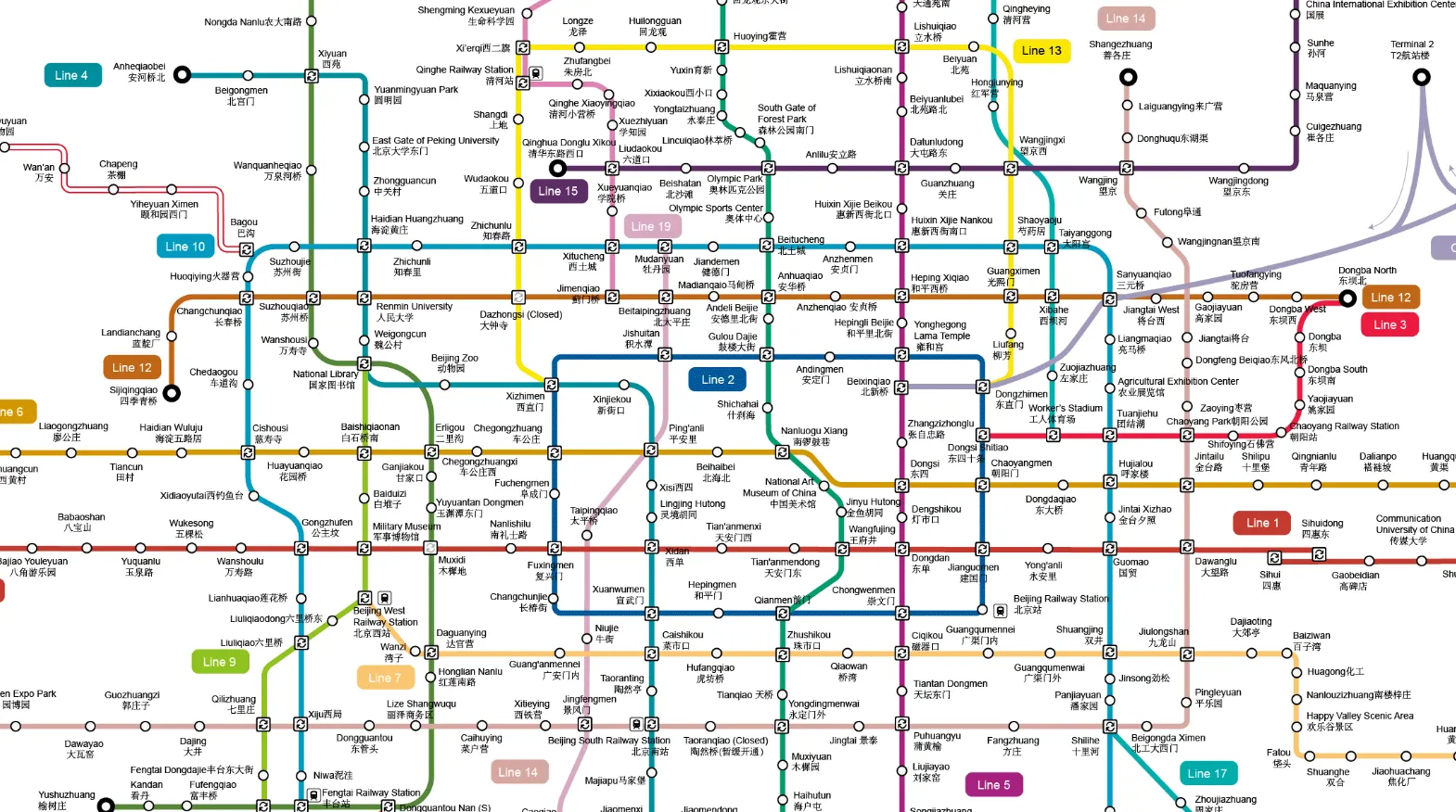
Source: travelchinaguide.com
For a smoother travel experience, it is highly recommended to download the Official Beijing Metro App. This app offers real-time information on train schedules, station maps, and the latest updates on service changes.
Navigating the Beijing Subway is simple and convenient, especially for travelers who appreciate efficiency. Here’s how you can easily access and pay for your rides.
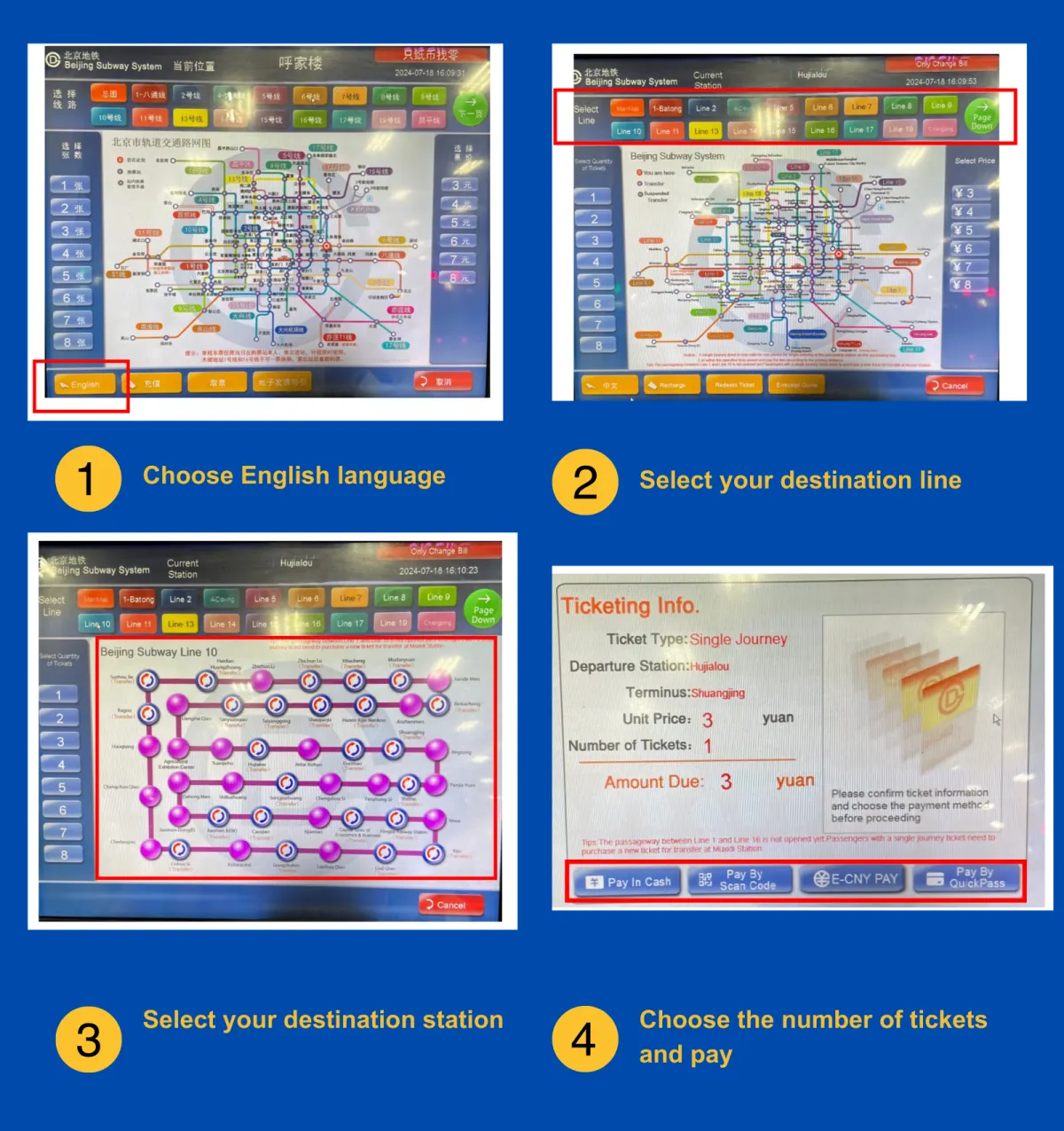
Source: beijing.gov.cn
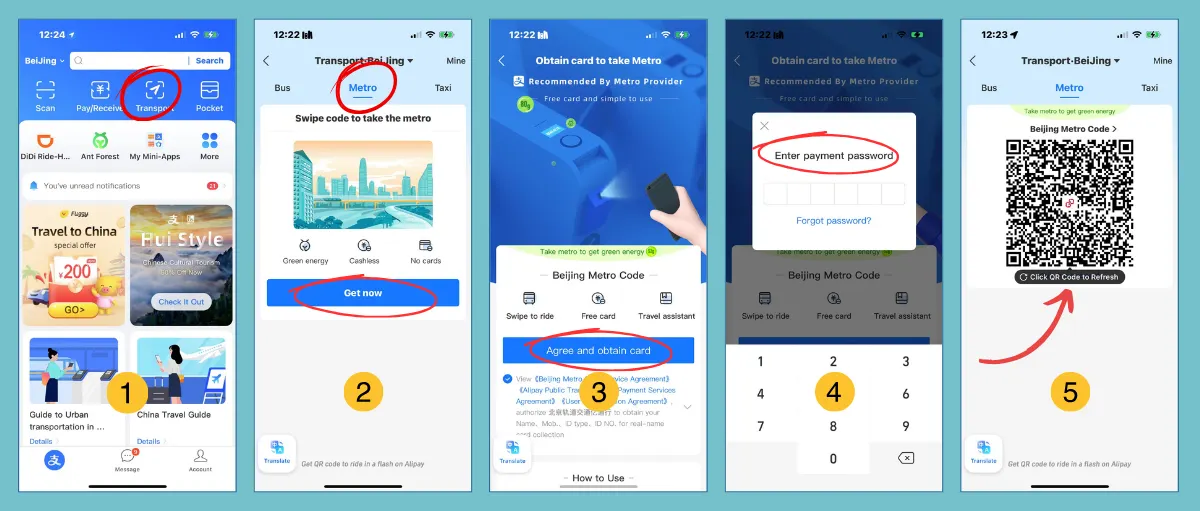
Source: beijing.gov.cn
For short-term travelers, purchasing a Beijing Transportation Smart Card is the easiest setup. Load it with around CNY 100 for a seamless experience. Multi-day passes may not be cost-effective unless you plan to take more than five rides per day.
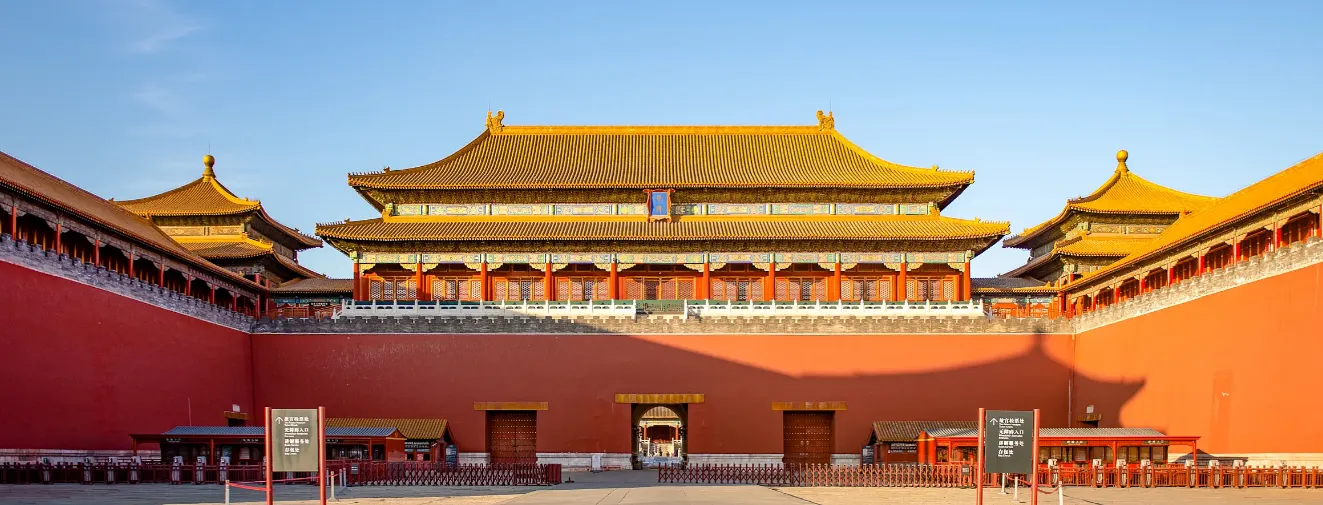
Exploring Beijing by subway is a breeze, especially when you know the key stations that connect you to the city's vibrant attractions. Here’s a quick guide to help you navigate like a pro.
📍 Station Name | Description | What it Connects To | Transfer Lines | Highlights/Navigation Tips |
Tiananmen East (天安门东) | Historic Heart | Tiananmen Square, National Museum of China | Line 1 | 🏛️ Visit early to avoid crowds and enjoy the historic sites. |
Wangfujing (王府井) | Shopping & Dining | Wangfujing Street, Donghuamen Night Market | Line 1 | 🛍️ Explore local food stalls and international brands. |
Qianmen (前门) | Cultural Experience | Qianmen Street, Dashilan, Temple of Heaven | Line 2 | 🚶♂️ Great for walking tours and exploring traditional architecture. |
Dongzhimen (东直门) | Transportation Hub | Airport Express, Ghost Street (Gui Jie) | Line 2, Line 13, Airport Express | ✈️ Convenient for airport transfers and late-night dining. |
Beijing Zoo (动物园) | Family Fun | Beijing Zoo, Beijing Aquarium | Line 4 | 🐼 Perfect for a family day out with animal exhibits. |
Olympic Sports Center (奥体中心) | Sporting Venues | Bird’s Nest, Water Cube | Line 8 | 🏟️ Visit the iconic Olympic venues and enjoy sports events. |
Nanluoguxiang (南锣鼓巷) | Trendy Alleys | Hutongs, boutique shops, cafes | Line 6, Line 8 | 🏘️ Stroll through the alleys for a taste of Beijing’s unique culture. |
By focusing on these stations, you can efficiently explore Beijing’s top attractions and enjoy a seamless travel experience. For more tips on what to do in Beijing, check out our “things to do in Beijing”!


When navigating Beijing, the subway is your best option for timely and efficient travel. Here's a simple guide to help you make the most of your journey.
Beijing Subway Operating Hours
Day | General Operating Hours |
Weekdays | 5:00 AM - 11:00 PM |
Weekends | 5:00 AM - 11:00 PM |
Line | First Train | Last Train |
Line 1 | ~5:10 AM | ~10:55 PM |
Line 4 | ~5:00 AM | ~11:15 PM |
Note: Times may vary slightly by station.
During peak hours, from 7:00 AM to 9:00 AM and 5:00 PM to 7:00 PM, trains run every 2 to 3 minutes. Outside of these times, trains arrive every 5 to 6 minutes, making travel convenient throughout the day. Plan your trips to avoid delays.
The subway is busiest during morning and evening rush hours. If traveling with children or luggage, try to avoid 7:30 AM to 9:00 AM and 5:30 PM to 7:00 PM. Stations like Xizhimen and Dongzhimen are particularly crowded during these times.
For real-time train schedules and crowd conditions, use the official Beijing Subway app. Baidu Maps also offers reliable transit information. Ensure you have internet access, possibly via a local SIM card, to use these apps effectively.

Explore the vibrant world of the Beijing Subway, a system as lively as the city itself! Here’s your guide to navigating this extensive network smoothly.
In Beijing, forming a line is important. Stand behind the yellow line and always let passengers exit before you board. For a quick exit, stand near the doors but leave room for others. Priority seats are respected, so offer them to those who need them.
Keep your voice down and your phone on silent. Use headphones when listening to music or talking on the phone to avoid bothering others. Eating and drinking are discouraged to keep the trains clean. If you have bags or strollers, keep them compact and out of the way.
To avoid crowded trains, try not to travel during rush hours (7-9 AM, 5-7 PM). For a more relaxed ride, travel during off-peak times. To avoid crowds, use interchange stations like Xizhimen instead of the busy Dongzhimen. A useful tip: stay in the middle of cars to be closer to exits at major stations.
Always tap out with your subway card to avoid extra charges. Do not hold the doors open, as it can delay the train. Make sure you are using the correct card, as not all are accepted.
Locals often use apps like Beijing Subway for real-time updates and route planning. They top up their cards during less busy times to avoid lines. You might notice locals being more reserved, reflecting cultural values of respect and efficiency.

As you get ready to explore Beijing, remember that the Beijing Subway is your key to discovering this dynamic city with ease. It's not only efficient and affordable but also a great way to experience local life. If it feels overwhelming at first, don't worry—after a ride or two, you'll be navigating like a local. The subway is safe and reliable, making it perfect for any traveler, whether you're alone or with family.
To make your journey even smoother, make sure you have mobile data for using route apps and digital top-ups. Consider using an eSIM for easy connectivity. Ready to begin your adventure? Plan your trip from the airport with our airport to city guide. Need flexibility? Book a backup ride with local transfer services or explore by car with rentals. Still planning? Check out our recommendations for where to stay in Beijing and top things to do.
 NO.1
NO.1